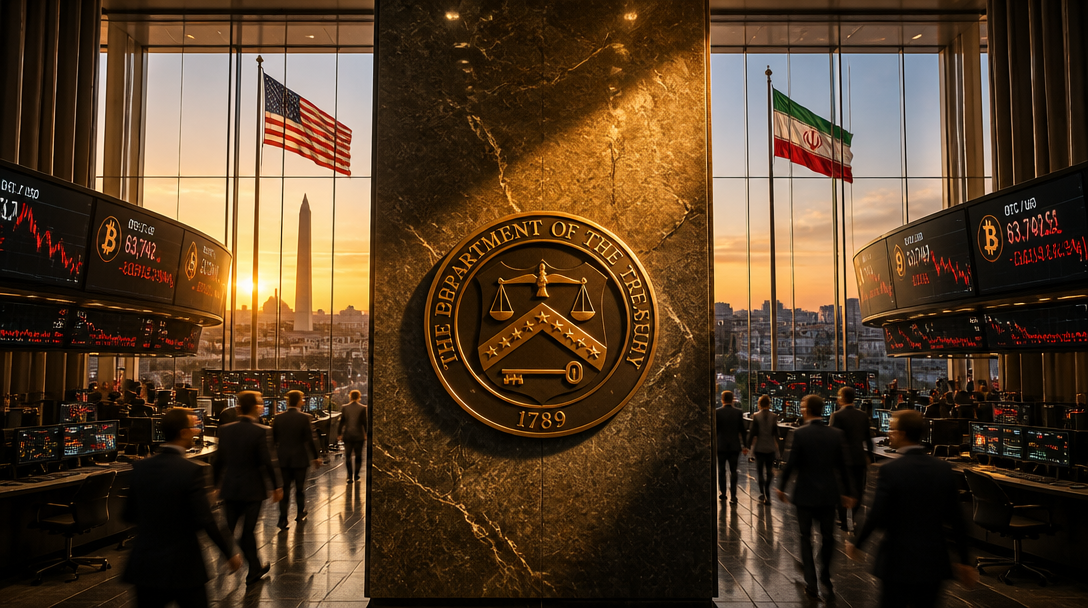
U.S. designates Iranian crypto exchange under Operation Economic Outcast
The U.S. Department of the Treasury designated BitBank, an Iranian cryptocurrency exchange, and associated entities on September 17, 2026, as part of Operation Economic Outcast, the Trump Administration’s economic campaign against the Islamic Republic of Iran and its enablers.
The designation targets infrastructure Iran built to move bitcoin to the regime while circumventing decades of U.S. sanctions. Secretary of the Treasury Scott Bessent said in a statement: “Today’s designations of Iranian digital asset infrastructure make perfectly clear that efforts to finance the Iranian regime using cryptocurrencies are not beyond OFAC’s reach. If you support the Iranian regime, the Department of the Treasury will sanction you.”
The Treasury action follows Iranian efforts to escalate cryptocurrency use in 2026 to evade economic penalties. In June 2026, the Hormuz Safe Marine Services Authority, an Iranian entity, began using BitBank to transfer bitcoin to the regime. The Hormuz Safe itself was created by Iran’s Ministry of Economy to accept bitcoin and other digital assets as a workaround to traditional sanctions enforcement.
In July 2026, the Treasury froze cryptocurrency linked to the Iranian regime and said Iran was using bitcoin payments through the Strait of Hormuz to dodge sanctions. Bitcoin’s decentralized structure makes it resistant to the asset freezes that apply to stablecoins such as Tether’s USDT, giving Iran a technical advantage in sanctions evasion.
Designated parties and the financial architecture
The Treasury designated Babak Zanjani, an Iranian financier, alongside three associates: Hossein Ali Zaker Hossein, Mohammad Mahdi Zaker Hossein, and Seyed Adel Heidari. The sanctions also targeted Pishtaz Simorgh Electronic Trade Company, a software developer.
According to the Treasury, the sanctions target “the architecture Zanjani built to launder funds.” Earlier in 2026, Iran had launched a bitcoin-backed insurance service for shipping companies, broadening the regime’s cryptocurrency infrastructure beyond direct asset transfers.
The designations freeze any assets these entities hold in U.S. jurisdiction and prohibit American persons and entities from transacting with them. The action underscores the Treasury’s expanded focus on cryptocurrency as a sanctions evasion vector, particularly as state actors develop digital asset infrastructure to bypass traditional financial controls.