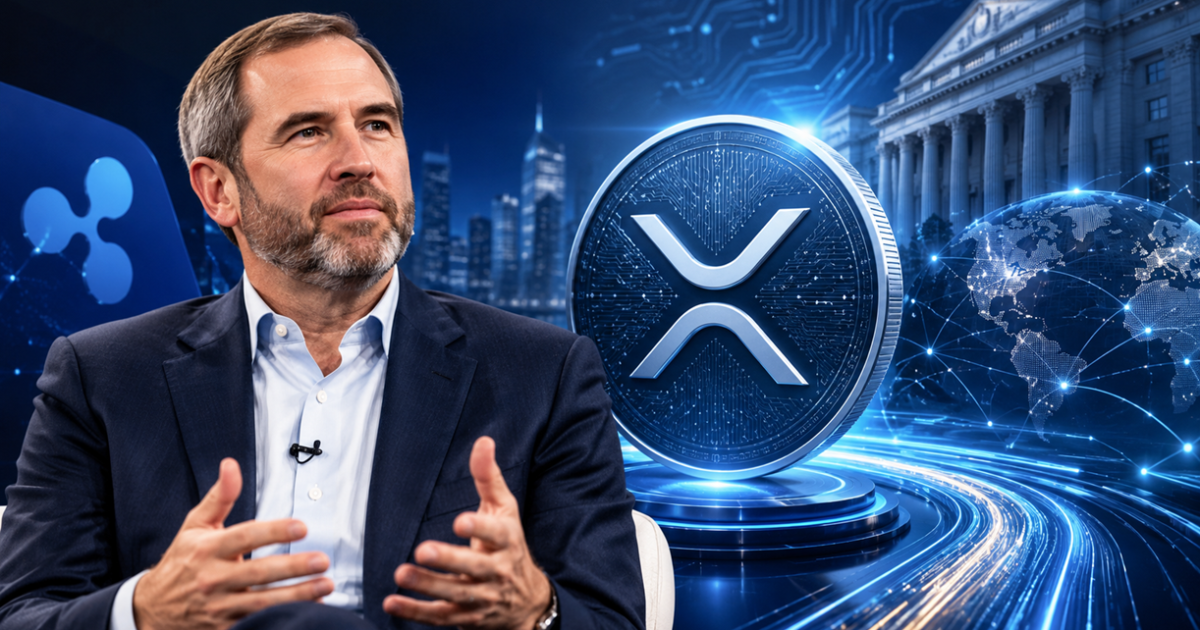
Ripple CEO Brad Garlinghouse declared the XRP community at its strongest point while cautioning the broader crypto industry against chain maximalism and internal divisions. Speaking at Consensus 2026, Garlinghouse framed Ripple’s recent acquisitions—including Hidden Road, a prime brokerage play—as infrastructure moves designed to increase XRP utility rather than drive speculative gains. The comments signal a strategic pivot toward institutional adoption as XRP trades near $1.4258.
Community Momentum Amid Industry Fragmentation
Garlinghouse attributed XRP’s community strength to a shared vision around financial infrastructure modernization. He described attendees at the recent XRP Las Vegas event as “the most vibrant, the most active that that community has ever been,” highlighting grassroots support as a competitive advantage. The XRP Army—the token’s organized supporter base—has evolved from a fringe faction into what Garlinghouse characterized as “unbelievable supportive allies” backing the broader adoption thesis. Yet he pushed back against maximalist thinking, stating flatly: “Tribalism is bad for our industry. I’ve never been an XRP maxi.” This public distancing from chain tribalism positions Ripple as an infrastructure player rather than a cult asset.
Acquisitions Signal Institutional Play Over Speculation
Ripple’s acquisition strategy has intensified in recent months, with Hidden Road—a prime brokerage acquisition—serving as a flagship example. Garlinghouse clarified the rationale: “All the acquisitions we’ve made, all the building we’re doing is in service of how do we accelerate the adoption, the usefulness of XRP, the liquidity of XRP and the trust of XRP.” This framing directly counters narratives that Ripple’s moves are designed to pump token price. The company’s engineering output also reflects scale: 75% of Ripple’s core code is now written or enabled by AI, suggesting operational efficiency gains that could reduce deployment friction. At press time, XRP held the $1.4258 level, with longer-term holders watching the 200-week EMA as a key technical anchor.
Regulatory Tailwinds and Multi-Chain Reality
Garlinghouse’s remarks arrived as crypto regulation enters a critical phase. Senate markup on a potential crypto bill is expected before midterms, with Garlinghouse anticipating legislative advancement in the coming months. His acknowledgment that “it’s going to be a multi-chain world” reflects a pragmatic acceptance that XRP dominance is neither achievable nor necessary. This contrasts sharply with maximalist rhetoric that dominated earlier bull cycles. The shift in perception matters: seven years ago, when Garlinghouse attended Davos, crypto remained a reputational liability in institutional finance. Today, mainstream finance treats blockchain infrastructure as legitimate infrastructure, opening doors for Ripple’s acquisition and partnership strategy.
Next Moves: Regulation and Liquidity Infrastructure
The coming months will test whether Garlinghouse’s institutional thesis translates into measurable XRP utility gains. Senate crypto bill markup timelines remain fluid, but passage would legitimize Ripple’s existing compliance posture. Hidden Road and parallel acquisitions need to demonstrate measurable liquidity improvements or collateral use cases to justify the thesis beyond community optimism. The XRP community’s demonstrated strength at Las Vegas provides political capital, but execution—not sentiment—will determine whether Ripple’s multi-chain, multi-asset vision gains traction among institutional players.