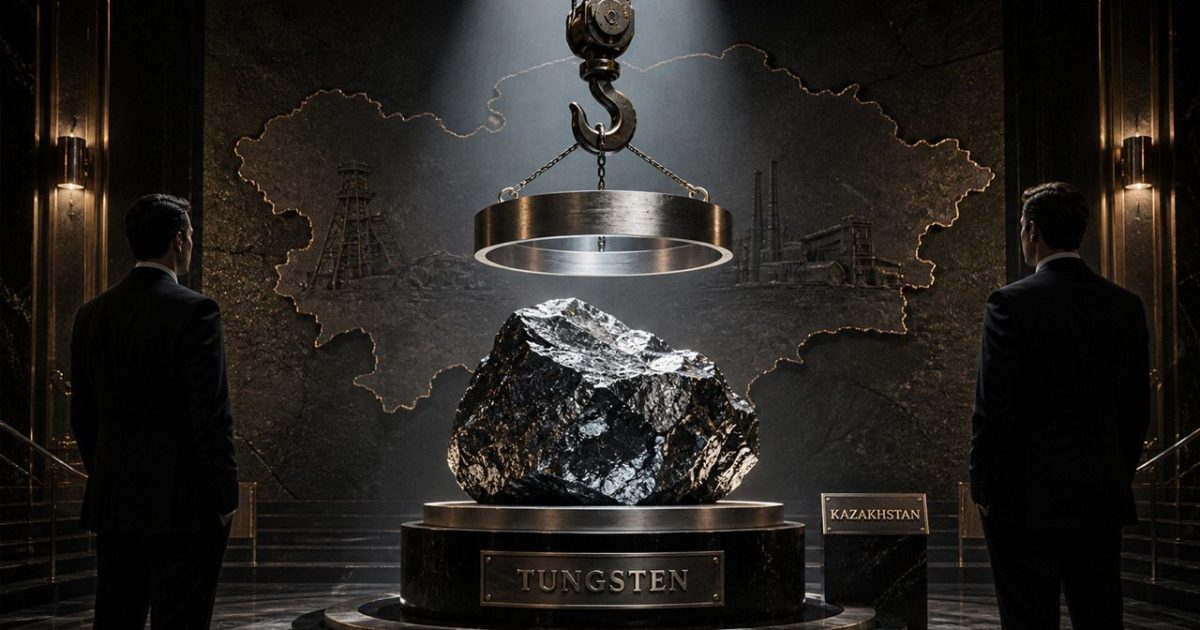
Donald Trump Jr. and Eric Trump gained exposure to a Kazakhstan tungsten mining venture through Skyline Builders, a Nasdaq-listed company set to merge with Cove Kaz Capital Group. The deal, announced April 30, 2026, draws conditional financing interest from the U.S. Export-Import Bank (up to $900 million) and the International Development Finance Corporation (up to $700 million). Expected closing in late 2026 or early 2027 positions the Trump family at the intersection of critical minerals policy and public-market access—raising unresolved questions about governance, timing, and federal alignment.
How Trump Sons Entered the Skyline Deal
The Trump brothers bought into Skyline Builders via American Ventures, a special purpose vehicle controlled by Dominari Securities, starting in August 2025 with a $17.8 million private placement. On October 28, 2025, they increased their position. By February 2025, both were appointed to Skyline’s advisory board. A Trump Jr. spokesperson stated he held a passive investor role with no operational involvement and no federal government interface. Financial Times reporting found no evidence the Trump sons knew about pending U.S. administration backing when making initial investments, nor that they influenced the award of conditional financing letters.
Critical Minerals Financing and Deal Structure
Skyline agreed to pay $20 million for approximately 20% membership interest in a critical minerals LLC. The merged entity targets tungsten extraction from Kazakhstan’s Northern Katpar and Upper Kairakty projects—assets valued within U.S. supply-chain resilience strategy to reduce Chinese dependence. The venture carries a $1.1 billion total development cost estimate. Cove Kaz retains 70% ownership; Kazakhstan’s state mining company Tau-Ken Samruk holds 30%. EXIM and DFC letters of interest remain conditional, not binding commitments. Final financing depends on regulatory approvals and shareholder votes still pending.
Why Critical Minerals Matter for Federal Policy
Tungsten is classified as a critical mineral under U.S. industrial policy, essential for defense, aerospace, and semiconductor manufacturing. The Kazakhstan projects align with Biden-era supply-chain directives and Trump administration focus on reducing foreign material dependence. Public-market access via Skyline Builders creates a pathway for private capital to tap federal financing instruments traditionally reserved for government-backed projects or established mining operators. This convergence signals agency appetite for private-sector critical minerals development but raises governance questions about conflict-of-interest management and disclosure standards for high-profile investors.
Unresolved Questions and Timeline
The Trump sons’ exact shareholding amount remains undisclosed in public filings. SEC registration statements, shareholder approvals, and final financing commitments have not been confirmed. Deal closing depends on regulatory sign-off expected in Q4 2026 or early 2027. Eric Trump declined to comment to Financial Times. The central unresolved question: whether conditional EXIM and DFC letters convert to binding commitments once approvals clear, and what economics the Trump family ultimately realizes from the venture.