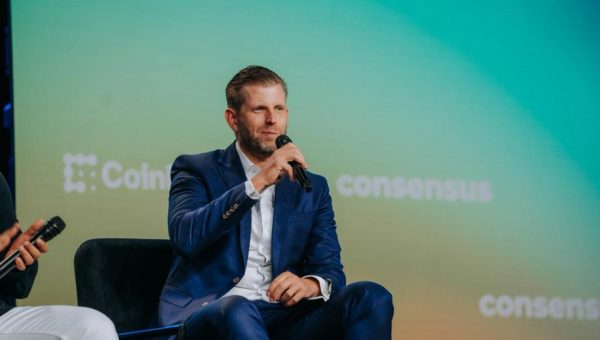
Tokenization of everything isn’t coming. It’s already underway. More than 20,000 attendees—including Morgan Stanley, JPMorgan, Nasdaq, and Franklin Templeton—will converge on Miami Beach May 5-7 for Consensus 2026, marking the first time Wall Street institutions dominate a major crypto conference agenda. Real-world asset tokenization, stablecoins, and prediction markets have transitioned from academic discussion to live products managing institutional capital. The shift signals blockchain infrastructure has matured beyond speculation into core settlement and trading rails.
From Theoretical to Live: Tokenized Assets in Production
Three years ago, tokenized real estate, treasuries, and private credit existed only in whitepapers. Today, institutions manage billions in live tokenized products. Franklin Templeton, Fidelity, and T. Rowe Price now operate blockchain-native investment vehicles. Ondo Finance, represented by speaker Ian De Bode, manages institutional-grade tokenized credit on distributed ledgers. Coinbase’s roadmap explicitly targets “the next trillion dollars of real-world assets onchain.” This operational transition—not announcement—is why traditional finance is attending Consensus. They’re no longer evaluating blockchain. They’re integrating it.
Stablecoins: From Bridge to Settlement Infrastructure
Stablecoins have evolved from crypto-fiat conversion tools into cross-border settlement rails. Tether, Circle, and emerging protocols like x402 and Tempo Machine Payments Protocol now process institutional payments at scale. Visa’s stablecoin settlement volume runs at $7 billion annually, demonstrating institutional appetite beyond crypto-native use cases. Bo Hines (Tether US) and Circle executives will speak directly to regulated financial officers about custody, compliance, and integration timelines. The presence of SWIFT, DTCC, and Mastercard at Consensus signals traditional payment infrastructure is no longer dismissing blockchain settlement—it’s architecting interoperability.
Prediction Markets and the 24/7 Advantage
Kalshi, Polymarket, and Hyperliquid represent a category Wall Street is treating as both product and infrastructure. Prediction markets serve dual purposes: they onboard retail users to blockchain mechanics while providing institutions with 24/7 price discovery. Traditional markets close at 4 p.m. EST. Blockchain operates continuously. John Wang (Kalshi) and prediction market operators will demonstrate this competitive advantage to institutional traders evaluating migration timelines. CFTC officials attending Consensus signal regulatory clarity is emerging around event derivatives and onchain markets.
Why Miami, Why Now
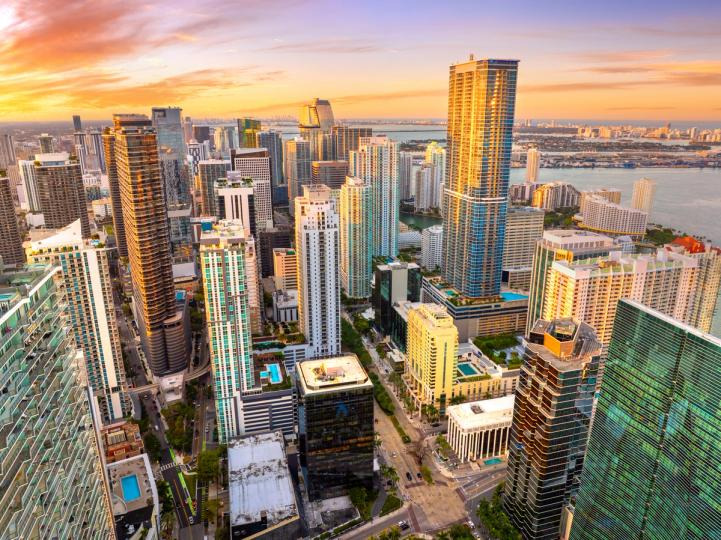
Consensus 2026 in Miami Beach Convention Center isn’t ceremonial. Miami has positioned itself as “America 2.0″—a convergence point for capital migration and fintech infrastructure. Coinbase, Robinhood, and Grayscale will showcase integrated platforms: Max Branzburg (Coinbase) will present the “Everything Exchange” combining crypto, stocks, commodities, and derivatives in a single account. Johann Kerbrat (Robinhood) will address the 20,000+ attendees on retail-to-institutional pipeline strategy. This is where the industry moves the needle on institutional adoption. The conference is the milestone itself.