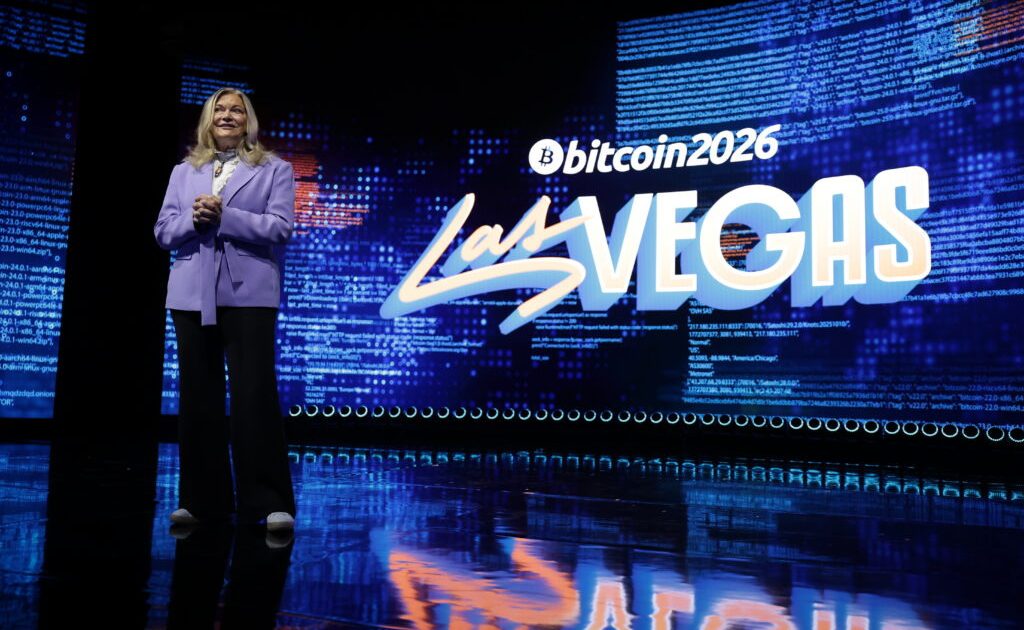
Senator Cynthia Lummis announced at The Bitcoin Conference that the Senate Banking Committee will markup the Clarity Act in May, breaking an eight-month legislative stalemate over digital asset market structure. The bill, which cleared the House more than eight months ago, has faced repeated delays in the Senate Banking Committee amid disputes over stablecoin yields and regulatory jurisdiction. Lummis’s commitment, made April 27, 2026, signals the most concrete timeline yet for comprehensive U.S. crypto legislation.
Why the Senate Delayed the Clarity Act for Eight Months
The Clarity Act proposes to split digital asset regulation between the CFTC and SEC: the CFTC would assume primary jurisdiction over non-stablecoin digital assets, while the SEC’s authority would narrow to tokenized securities. Stablecoin yield structures emerged as a flashpoint in committee negotiations, creating friction between lawmakers and blocking forward momentum. A January 2026 markup was pulled at the last minute, signaling internal resistance. In April, Senator Thom Tillis urged delay to May, reflecting shifting committee dynamics. Industry groups have warned that prolonged regulatory uncertainty pushes trading activity offshore and undermines U.S. crypto infrastructure development.
May Markup Timeline and Political Reality
The second week of May 2026 represents the first realistic slot for a Banking Committee vote. If the markup occurs as scheduled, a full Senate vote could follow in May or June, with a potential signing window in June. However, mid-May marks a critical deadline: if the markup slips past this window, legislative odds drop sharply given the compressed 2026 calendar. Tillis’s April request for delay, though ultimately overruled by Lummis’s public commitment, underscores lingering internal opposition. The Clarity Act has also sparked companion legislation, including the GENIUS Act, adding complexity to committee sequencing.
Regulatory Framework and Offshore Risk
The proposed jurisdiction split reflects a compromise between SEC and CFTC mandates. By designating CFTC as primary regulator for spot bitcoin, ethereum, and most altcoins, the bill aims to create market clarity that currently forces U.S. traders toward offshore exchanges. The SEC’s narrowed scope reduces turf wars that have paralyzed crypto regulation for years. Delayed passage increases pressure on institutional traders to migrate positions internationally, eroding U.S. market share in digital asset trading. A May markup would accelerate the regulatory timeline and reduce the window for offshore migration.
Next Steps: May Vote or Another Delay
The Banking Committee’s May markup will determine whether the Clarity Act advances to a floor vote in spring or faces another deferral. Lummis’s public announcement at The Bitcoin Conference raises political cost for further delay. Chair Tim Scott’s coordination with Lummis signals alignment on timing. If the markup occurs and passes committee, the Senate must schedule floor time before the June recess to maintain momentum toward enactment this year.