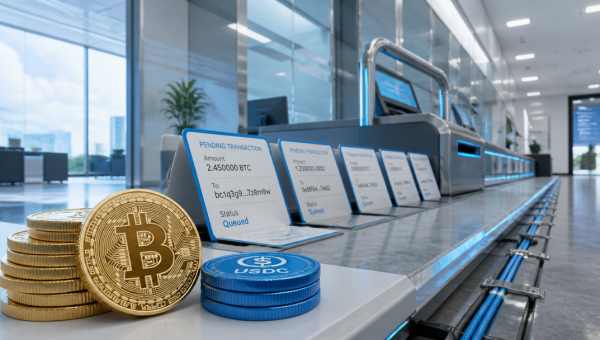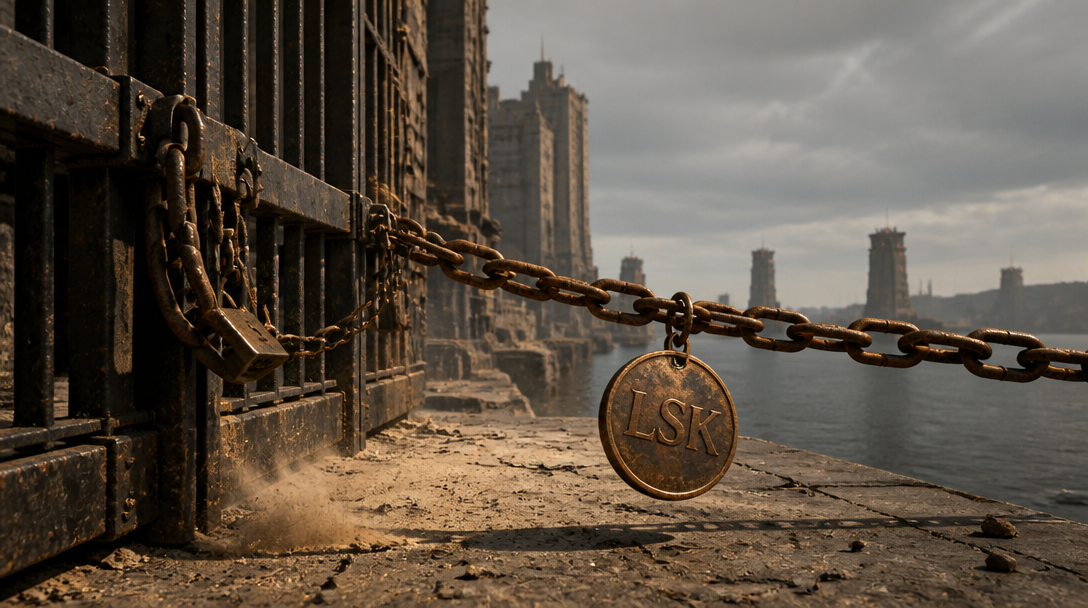
Lisk’s Layer 2 network shut down its portal and bridge on November 2, leaving holders of the LSK token and other assets stranded on a dying chain with no guaranteed path to recovery until January 2027 at the earliest.
The closure marks the end of Lisk’s experiment as a standalone blockchain. The platform continues operating as a business finance system for accounts, payments, and approvals, with LSK serving as a loyalty token. But the infrastructure that allowed users to move assets off the L2 has gone dark.
Nearly $10 million in value must escape the network before year-end or risk becoming unrecoverable, according to CryptoSlate analysis. Lisk has not announced a guaranteed recovery or payment date for the manual claims process it says will begin in January 2027.
The Exit Window Closes
Before the November 2 shutdown, Lisk stakers faced a compressed timeline. Holders had to unlock staking positions, wait three days, unstake, then bridge assets to Ethereum within approximately eight days. That window has now closed.
Lisk’s September withdrawal notice warned that no recovery process or claim window would follow shutdown. The current notice contradicts that position, offering a January 2027 manual claims plan. However, Lisk’s FAQ does not specify eligibility, the steps holders must complete, or the timing of recovery.
CryptoSlate Editor-in-Chief Liam Wright noted the ambiguity: “January is not a promised payment date.” He also highlighted a structural vulnerability: “The location of a holding therefore matters even when the ticker is identical.”
LSK held on Ethereum or on exchanges was unaffected by the L2 shutdown, as the Ethereum contract remains unchanged. But assets locked on Lisk’s native chain face an uncertain path out.
Rewards at Risk of Burning
Lisk’s rewards contract holds 5.2 million LSK, including unassigned and earned but unclaimed rewards. These tokens are scheduled to be burned after shutdown, meaning holders who never claimed their rewards may lose them permanently if they do not act during the manual claims window.
Lisk’s onchain governance ended with the DAO’s wind-down, removing any decentralized mechanism to alter the burn schedule or extend claim deadlines.
Recall Foundation Faces Similar Pressure
A parallel shutdown is unfolding at Recall Foundation, which is winding down operations. The Foundation’s app becomes read-only on November 30. Staked RECALL token holders must initiate unstaking and withdrawal through Base contracts to recover their funds.
On October 30, the Recall Foundation board acted independently of Recall Labs and applied zero cooldown to new unstaking requests, compressing the exit timeline further. The Foundation’s documented exit requires the staking wallet, an ended lockup, and Base ETH for both transactions.
Recall Foundation excludes staked RECALL from its planned burn and assigns funds to creditors, wind-down costs, and contingencies. However, original lockups and existing cooldowns remain applicable to stakers, adding friction to withdrawal.
The dual closures underscore a structural risk in blockchain systems: tokens can survive a network shutdown, but the infrastructure to exit them may not.