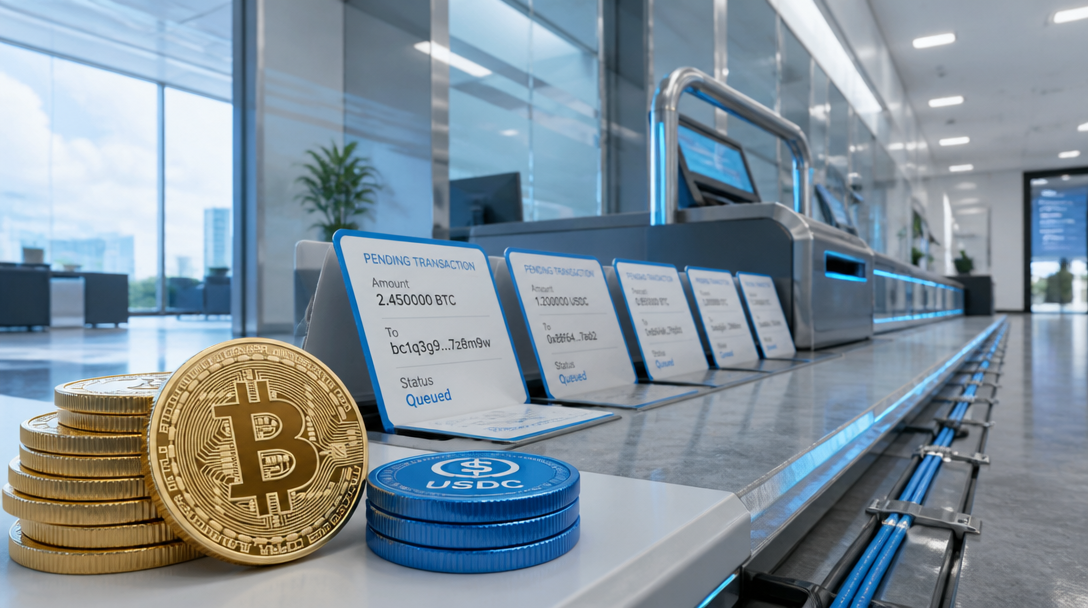
Borrowers repaying hBTC loans on Fluid face a second transaction to reclaim native Bitcoin, with withdrawal timing dependent on the Hashi protocol’s Guardian capacity settings.
Fluid, a DeFi lending protocol on Sui, announced Bitcoin-backed lending markets on November 20. The product allows Bitcoin holders to deposit BTC with Hashi, receive hBTC on the Sui network, and pledge that hBTC as collateral to borrow USDC. The mechanics introduce a two-step exit process that can delay Bitcoin withdrawal even after a loan is repaid.
Once a borrower repays their USDC loan and recovers their hBTC, they must submit a separate redemption request to Hashi to withdraw the underlying Bitcoin. This second step is not instantaneous. Hashi’s payout requires authorization from both a validator committee, which provides one signature collectively, and a separate signer called the Guardian, which provides a second signature. The Guardian enforces two withdrawal limits: a maximum amount releasable at once, and a refill rate that governs how quickly capacity replenishes.
If an approved redemption request falls within the maximum but exceeds available Guardian capacity, the request enters a queue and waits for capacity to refill. Requests exceeding the configured maximum are skipped until governance raises the limit. Hashi describes roughly five minutes from submission as one trigger for building a batch of withdrawal requests.
Borrowers retain some flexibility during the waiting period. They can cancel and recover their hBTC after a cooldown until the leader commits the request to a batch, allowing them to reclaim collateral if withdrawal delays become unacceptable.
The underlying Bitcoin remains on the Bitcoin network at an address derived for the depositor’s Sui account while hBTC is held on Sui. Anchorage Digital Bank N.A. provides custody and settlement services for the arrangement. Institutions can use Anchorage’s Porto self-custody wallet to access hBTC and select Fluid strategies.
The Sui Foundation expects tri-party settlement mechanics to be in place in early 2027. On November 21, Merkl displayed $862.26K in total value locked in Fluid’s fUSDC rewards opportunity, a metric tracking capital deployed in the lending campaign.
How the Redemption Queue Works
Hashi’s two-signature requirement reflects a design choice to distribute withdrawal authority. The validator committee and Guardian operate independently, meaning neither party alone can authorize a payout. This dual-signature model introduces the capacity constraints that can delay redemptions.
The Guardian’s withdrawal limit is configurable but the current maximum amount and refill rate are not publicly specified in available disclosures. Borrowers planning to exit positions should account for potential queue time if redemption requests accumulate or if the Guardian’s capacity is already depleted by other pending requests.
Borrowers who wish to avoid queue delays can cancel their redemption request and retain hBTC as collateral, though a cooldown period applies before they can recover the hBTC entirely. This mechanism allows borrowers to reassess whether waiting for a batch to be committed justifies the withdrawal delay.