Sixteen companies have filed objections to tokenized versions of their shares trading on OKX-ICE, a planned venue operated by crypto exchange OKX and Intercontinental Exchange, according to a public notice released Monday. The objections come as the SEC’s five-year Innovation Exemption framework enters its testing phase, allowing qualifying venues to trade tokenized equities through automated market makers and liquidity pools.
Seven companies disclosed their objections publicly for the first time: Microsoft, Alphabet, Goldman Sachs, Qualcomm, Caterpillar, McDonald’s, and Western Digital. Broadcom, Verizon, and UnitedHealth also appear among the objectors, though the full list of 16 was not itemized in the notice.
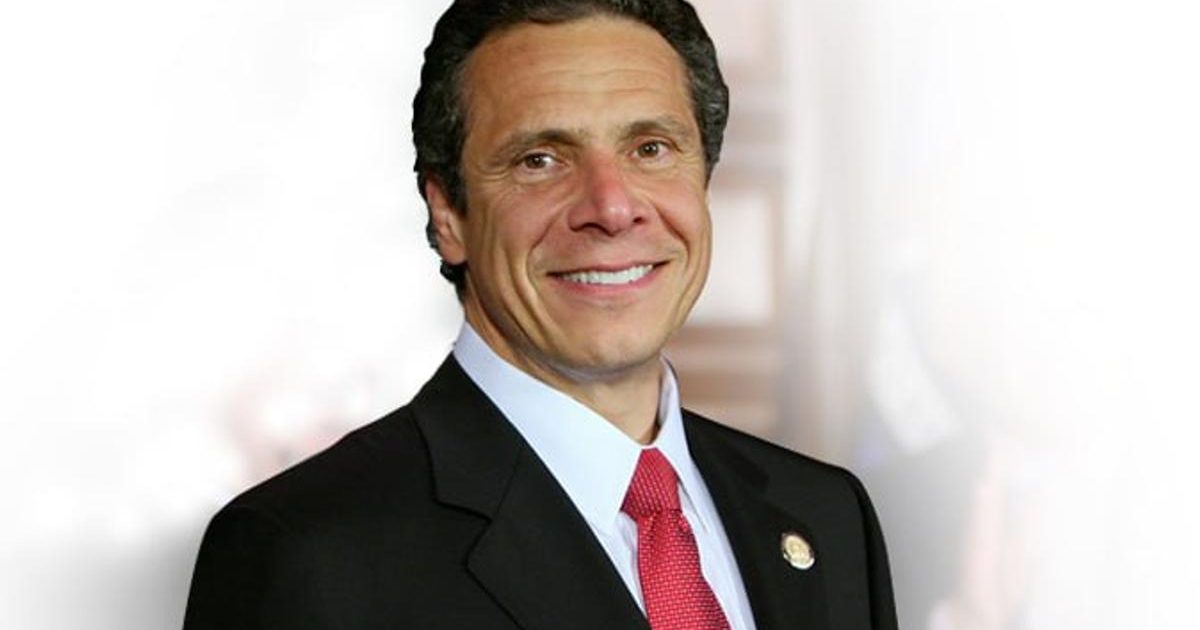
Andrew Cuomo, co-chairman of OKX-ICE, characterized the objections as expected friction in testing a new market structure. Cuomo said that a growing list of companies rejecting tokenized trading of their shares is an expected part of testing a new market structure. during a press call on Tuesday. “This is a very natural response.”
Cuomo emphasized that the framework grants issuers explicit control over participation. “The model was designed to give companies the right to determine whether they want to opt in or opt out,” he said. “We always anticipated that, because this is such a dramatic and revolutionary change, many companies would want to wait and see how it goes rather than be the first to participate.”
The SEC’s Innovation Exemption, rolled out approximately one month before the objections surfaced, includes structural limits on participation. “There are limits on how many companies can participate and on the volume that can be traded, so by definition, it really is a sandbox, a model demonstration,” Cuomo said.
Tokenization Sector Response
Securitize, a tokenization firm, announced an offering of 12 tokenized stocks for U.S. investors earlier in October. The company’s CEO, Carlos Domingo, acknowledged issuer hesitation while framing it as part of an education process. “We think it’s entirely reasonable for issuers to ask questions about how these new markets work, particularly around pricing, investor protections and shareholder rights,” Domingo said.
Domingo noted that companies have alternatives to OKX-ICE participation. “There’s an important education process underway, and issuers should understand that they have different options for participating in tokenization, including issuer-sponsored approaches,” he said.
Dave Hendrick, CEO and founder of Vertalo, an SEC-registered digital transfer agent and tokenization software platform, framed the objection window as a designed safeguard. “The 30-day objection window is the mechanism the SEC built in to give companies a say. Issuers are using it,” Hendrick said.
Hendrick highlighted infrastructure gaps between traditional and tokenized markets. “Today there is no system that normalizes, harmonizes and synchronizes trading on the exchanges with trading on TSVs, and that enforces the thoughtful framework the SEC designed in the Innovation Exemption,” he said, referring to tokenized securities venues. He suggested that objections may shift as infrastructure matures. “It’s important to note that an objection today, before the rails are in place to harmonize, may be an acceptance later,” Hendrick said.
The SEC’s framework gives issuers a structured role in the tokenization testing period, a departure from traditional equity trading where companies have no formal say in where their shares trade. Microsoft and Alphabet, both featured in Securitize’s 12-stock offering, objected to OKX-ICE specifically, leaving open the possibility of participation through other venues or tokenization models.