Stablecoin payments test whether recipients care less when they see real currency, not crypto
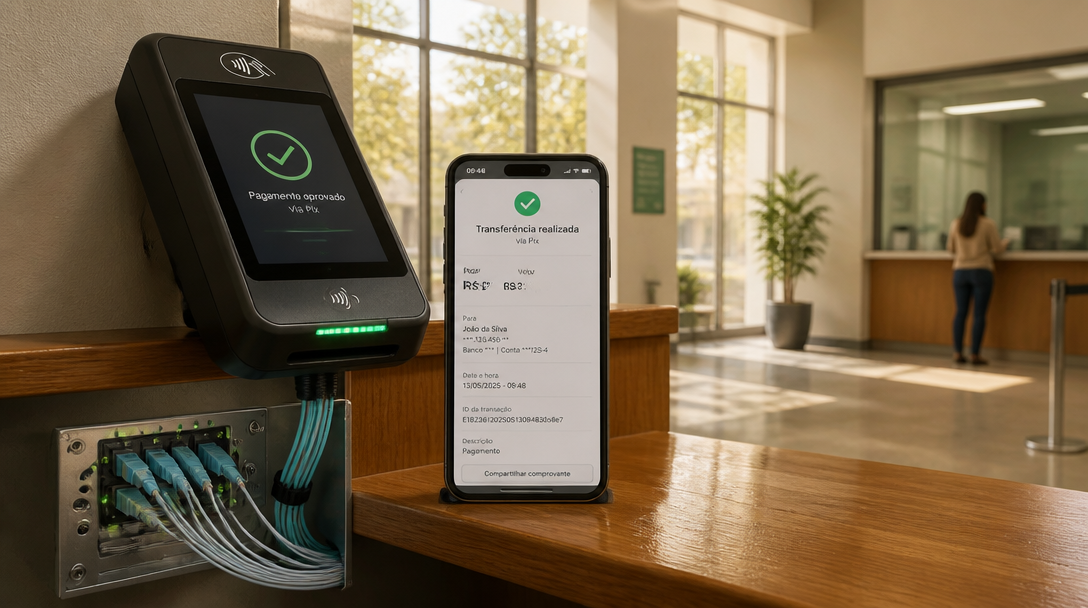
Oobit, a fintech company backed by Tether, connected its app to Brazil’s Pix payment system on June 23, enabling users to route crypto and stablecoin balances through the country’s domestic real-time payment rail. Recipients see local currency transfers into their bank accounts, not crypto handoffs.
The integration tests a behavioral hypothesis: stablecoins solve adoption friction when they operate invisibly behind payment rails users already recognize. Brazilians know Pix. They may not trust or understand USDT. Oobit’s model abstracts the stablecoin layer, converting USDT balances into Brazilian real transfers that arrive in seconds through the Pix network.
Pix, operated by Banco Central do Brasil, has reached 170 million users since its 2020 launch. The system processes real-time transfers between bank accounts and digital wallets at no cost to end users. Oobit’s integration taps that scale without requiring recipients to download crypto wallets or hold stablecoins themselves.
Tether led Oobit’s $25 million Series A funding round, signaling the USDT issuer’s interest in embedding stablecoins into existing payment infrastructure rather than building parallel crypto-native systems. The move reflects a broader shift in stablecoin adoption: the payment problem is behavioral, not technical. People pay with whatever fits existing rails, merchants, and recipients.
Oobit first announced wallet-to-bank transfer capabilities via local payment rails, including Pix, in February 2024. The June 23 rollout marks the first live connection between the app and Brazil’s Pix network.
The company’s FAQ notes that verification is required, fees and limits can apply, and availability depends on location and supported products. Oobit did not disclose which crypto assets beyond USDT are supported, conversion rates specific to the launch, settlement mechanics, or early adoption metrics.
The integration tests whether stablecoins become more useful when they stop looking like stablecoins to end users. If adoption follows, other fintech platforms may adopt similar abstraction layers, embedding USDT and competing stablecoins into domestic payment systems across Latin America and beyond.