Korean exchange uses staggered windows and order restrictions to manage opening volatility
Upbit, South Korea’s largest crypto exchange, listed nine cryptocurrency assets across BTC and USDT trading pairs on June 19, deploying staggered trading windows and temporary order restrictions to contain opening volatility.
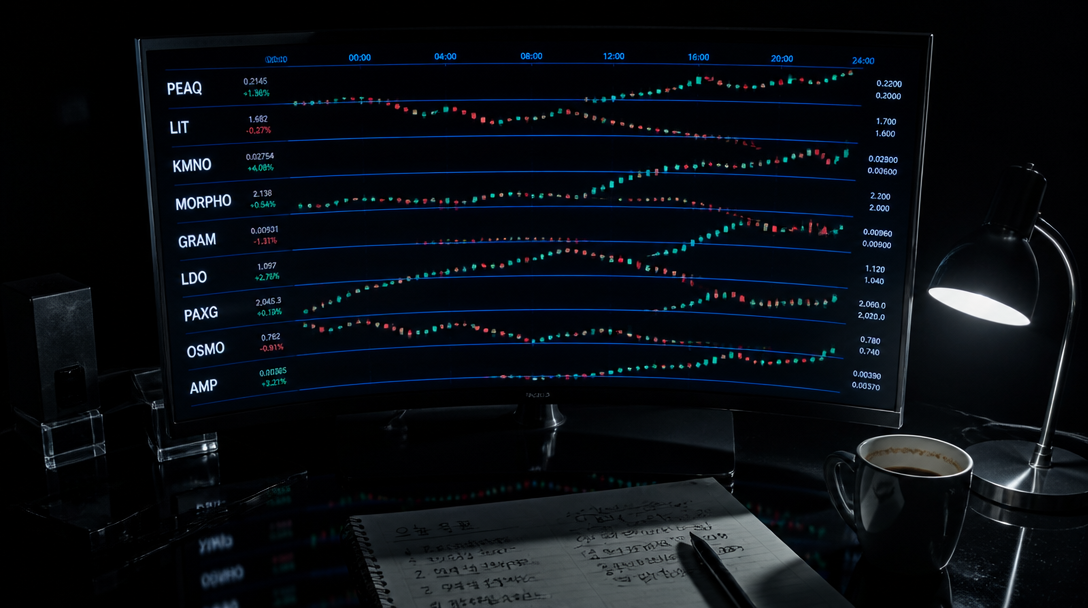
The listed tokens were PEAQ, LIT, KMNO, MORPHO, GRAM, LDO, PAXG, OSMO, and AMP. Upbit’s rollout strategy included hourly trading windows, temporary bans on buy orders at the start of each listing, restrictions on low-priced sell orders, and an initial limit-order period. These controls are designed to reduce volatility in the opening minutes of trading when liquidity can be thin and retail traders often chase momentum.
Upbit has historically been able to move altcoin markets due to the depth and intensity of Korean retail trading. A listing on Upbit can quickly change liquidity, visibility, and short-term speculative demand for smaller tokens. PEAQ reportedly saw strong upside after the rollout, while other listed assets saw weaker or negative moves.
The nine-token expansion illustrates a broader pattern in Korean exchange listings: Upbit’s market reach can trigger sharp price reactions in altcoins, but traders are becoming more selective in their responses. The exchange’s use of structured opening mechanics reflects an industry-wide effort to manage the volatility spike that historically accompanies new listings on major venues.
South Korean retail trading remains a significant driver of altcoin liquidity and price discovery. Upbit’s staggered approach signals that even as Korean exchange listings retain their power to move markets, exchanges are deploying technical safeguards to prevent the kind of extreme opening-day swings that can trigger retail panic buying or selling.
Market Structure and Retail Participation
The listing mechanism itself reflects lessons from prior Upbit debuts. By restricting buy orders at opening and limiting low-priced sells, the exchange reduces the likelihood of a flash spike followed by a sharp reversal. Hourly trading windows allow retail traders to enter at staggered times rather than competing for liquidity in a single opening auction.
The mixed performance across the nine assets, with PEAQ outperforming while others declined, suggests that Korean retail traders are now differentiating between tokens rather than treating all new listings as automatic buys. This selectivity marks a shift from earlier periods when Upbit listings alone could trigger broad altcoin rallies regardless of project fundamentals.