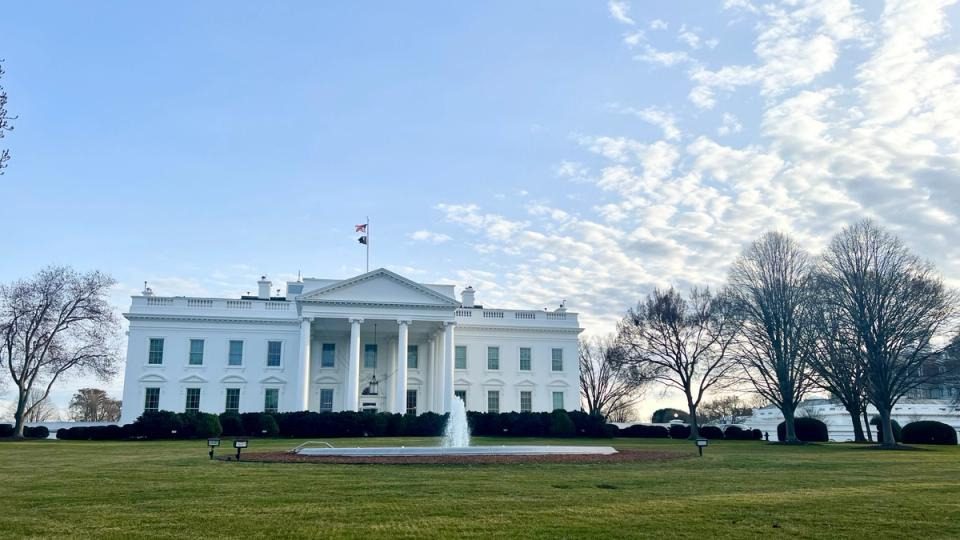
The White House’s push to establish a centralized Strategic Bitcoin Reserve accelerated this week after a $60 million theft from U.S. Marshals Service crypto accounts exposed dangerous decentralization across federal agencies. Patrick Witt, Executive Director of the President’s Council of Advisors for Digital Assets, announced a formal update on the reserve structure is coming “in the next few weeks,” citing the hack as proof that scattered, unsecured holdings pose systemic risk to the government’s growing digital-asset portfolio.
How Federal Crypto Holdings Became a Security Liability
Federal agencies accumulated bitcoin and other digital assets through years of seizure operations and enforcement actions, but stored them with minimal coordination or security protocols. Witt confirmed that some agencies kept cold wallets in desk drawers, a practice that persisted until Trump’s executive order halted liquidations and mandated a government-wide audit. The Marshals Service breach in late 2025, which exposed the vulnerability of dispersed custody arrangements, crystallized the case for centralization. “It’s a case in point for why it was so necessary that the president established the SBR,” Witt said, framing the reserve not as a speculative bet but as basic operational security.
White House Timeline and Custody Framework
The announcement came at Consensus Miami 2026 on May 6. Witt emphasized that custody for digital assets operates under entirely different constraints than traditional treasury holdings, requiring specialized infrastructure and governance. He declined to disclose the total size of federal crypto holdings, stating the priority is to “get our own house in order” before public disclosure. The update expected within weeks will likely detail the reserve’s structure, custody arrangements, and integration with existing federal financial systems. Bitcoin was trading near $81,588 at the time of the announcement.
Congressional Action Remains the Bottleneck
Trump’s executive order established the reserve unilaterally, but formal codification requires legislation. Senator Cynthia Lummis introduced the BITCOIN Act, while Representative Nick Begich sponsored the American Reserves Modernization Act in the House. Both bills aim to enshrine long-term holding mandates and reserve structure into law. Without Congressional passage, the reserve operates on executive authority alone, leaving questions about agency power, holding duration, and oversight unresolved. Witt’s “next few weeks” timeline for the White House update does not guarantee legislative movement.
What Comes Next for Federal Asset Management
The Marshals hack revealed that federal crypto holdings had grown large enough to attract sophisticated attackers, yet were managed as an afterthought across scattered agencies. Witt’s focus on centralized custody addresses immediate security, but the reserve’s long-term viability depends on Congressional codification. The White House update will clarify how much bitcoin the government actually holds and where it will be secured. Until then, the reserve remains an executive experiment with no guaranteed permanence beyond the current administration.