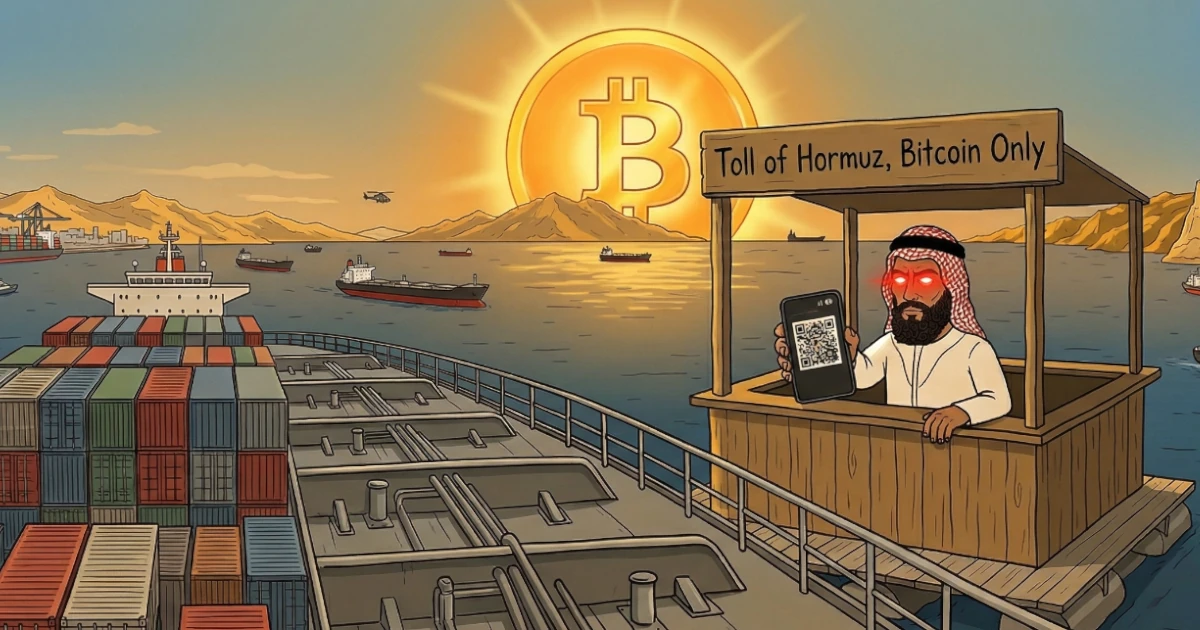
Iran has instituted a toll of $1 per barrel for oil tankers wishing to navigate the Strait of Hormuz, requiring payment in Bitcoin. This significant move highlights Iran’s strategy to capitalize on its geopolitical position and monetize its control over this crucial waterway, through which approximately 20% of the world’s oil supply flows.
As the world watches, the Strait of Hormuz remains a vital passage for oil shipments. This toll reflects a shift in payment methods, showcasing Iran’s intent to utilize cryptocurrency amid ongoing tensions with the United States. The current two-week ceasefire has created a window for Iran to assert its demands, as oil tankers now face additional costs for passage through this strategic chokepoint.
Responses from the market have varied, with analysts noting the potential impact on global oil prices. The demand for payments in Bitcoin introduces a new layer of complexity in energy transactions. Market observers are particularly focused on how this could influence both Bitcoin’s adoption in traditional industries and the broader implications for oil markets, especially if more countries consider similar payment methods.
In the coming days, traders should monitor the response from oil shipping companies and any potential ripple effects on Bitcoin’s market price. With the ceasefire approaching its conclusion, the dynamics surrounding the Strait of Hormuz will likely evolve. Specific attention will be on the volume of oil tankers impacted and how they adapt to this new toll structure.