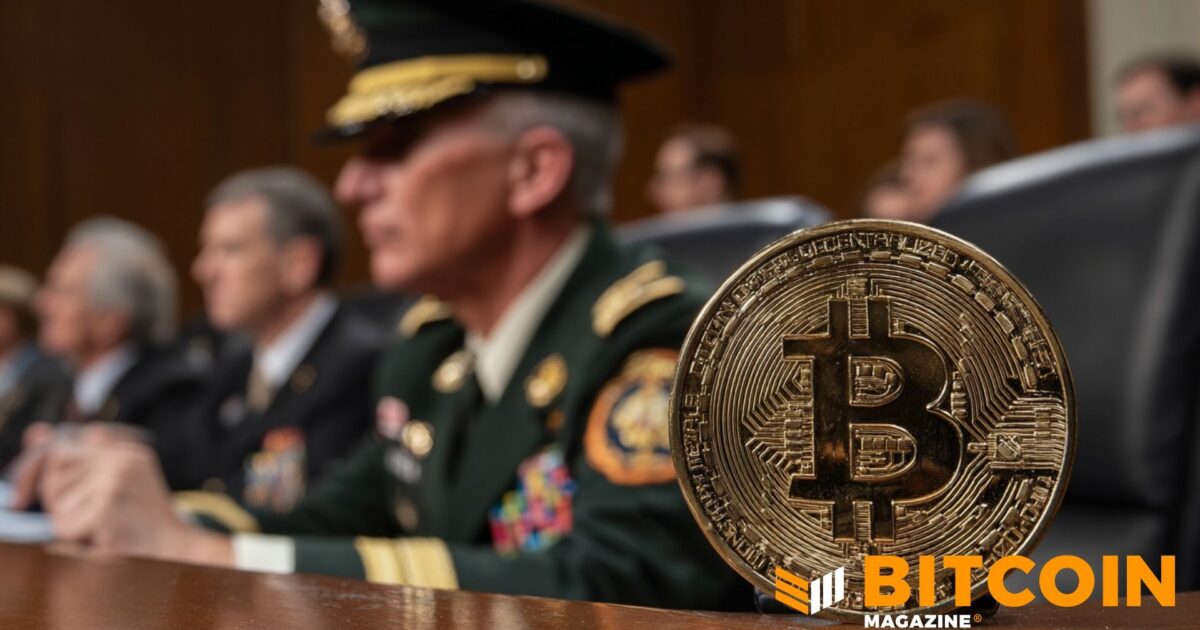
Admiral Samuel Paparo recently addressed the Senate Armed Services Committee, highlighting the role of Bitcoin in enhancing national power and security. The U.S. Indo-Pacific Command leader emphasized that Bitcoin serves as a valuable computer science tool for power projection. His statements underscore a growing recognition within military circles of the strategic importance of cryptocurrency.
The discussion centered on how Bitcoin may influence national security dynamics. With its decentralized nature, Bitcoin poses both opportunities and challenges for governments. Enhanced digital finance can support military operations and supply chains, while simultaneously presenting risks related to its use in illicit activities. The Pentagon’s interest in Bitcoin indicates a shift towards incorporating digital assets into national defense strategies.
Reactions to Admiral Paparo’s comments reveal an intriguing perspective on the intersection of technology and military strength. Analysts note that the discussion marks a significant alignment between national security interests and the digital economy. As governments ramp up investments in blockchain technologies, the implications for military strategy could be profound. Bitcoin’s market activity may also reflect this trend, with increased attention from investors and policymakers alike.
In the coming months, attention will turn to how the U.S. government incorporates findings from discussions like this one into broader national security policies. A key focus will be on upcoming legislation that may address regulation and integration of digital assets within defense frameworks. The dialogue surrounding Bitcoin’s role in national security will likely intensify, particularly as the global landscape evolves.