The U.S. Senate unanimously approved a resolution Thursday barring senators and their staff from betting on prediction markets platforms, effective immediately. The 14-line measure targets platforms like Polymarket, which has operated under a 2022 CFTC agreement restricting U.S. operations. The vote reflects growing regulatory concern over insider-trading risks in a sector that has exploded in popularity ahead of the November 2026 elections.
Political Pressure Overrides Platform Self-Regulation
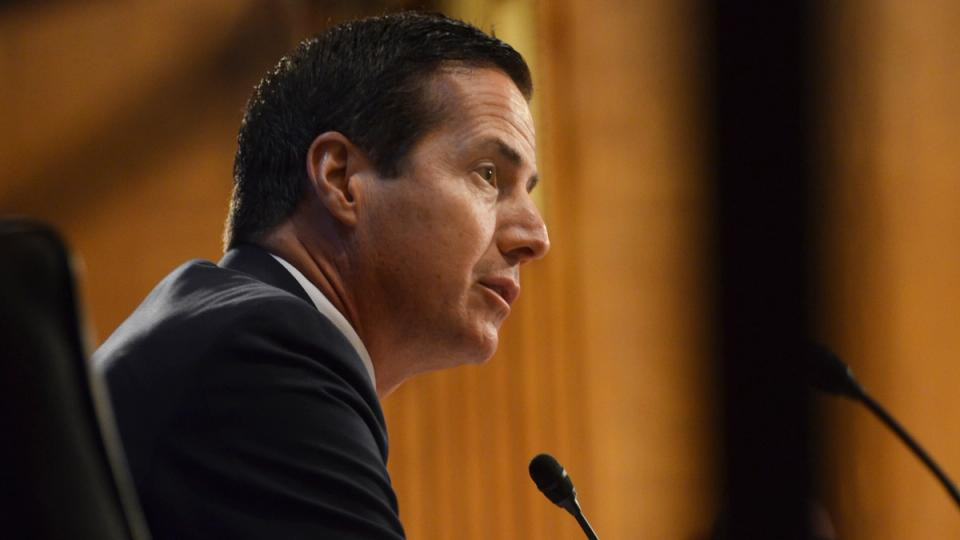
Senator Bernie Moreno, the Ohio Republican who authored the resolution, framed the ban as a basic ethics issue. “United States Senators have no business engaging in speculative activities like prediction markets while collecting a taxpayer-funded paycheck, period,” Moreno said. The measure passed without dissent, signaling rare bipartisan alignment on the issue. Democrats including Elizabeth Warren and Ron Wyden have been more vocal critics of prediction markets, citing insider-trading concerns. Polymarket acknowledged the action on X, stating it “already prohibit such conduct,” yet the Senate’s decision to codify the restriction into law suggests platform self-regulation proved insufficient.
Regulatory Jurisdiction and Enforcement Gaps
The resolution moves faster than broader crypto market structure legislation stalled in the Senate. The CFTC, which oversees derivatives trading, has jurisdiction over prediction markets but lacks clear enforcement authority over congressional conduct. Details on violation penalties and the scope of “staff” participation remain undefined. Polymarket’s statement hints at existing user rules barring political figures from wagering on their own races, a practice that has already drawn penalties for candidates in prior cycles. The immediate effective date suggests urgency, though implementation mechanisms have not been publicly detailed.
Insider-Trading Concerns Drive Industry Scrutiny
Prediction markets have grown into a multi-billion-dollar sector, with platforms like Polymarket enabling real-money wagering on political and economic outcomes. The core regulatory concern centers on information asymmetry: senators and staff possess non-public intelligence on legislation, economic policy, and political events that could provide trading advantages. The ban reflects a broader pattern of heightened skepticism toward speculative platforms that lack traditional market safeguards. While prediction markets operate legally in limited jurisdictions, the Senate action signals that even permissive regulatory frameworks cannot override conflict-of-interest concerns at the federal level.
What Comes Next
The resolution’s immediate effect means current restrictions are now codified, though enforcement mechanisms remain unclear. The Senate has not announced penalties for violations or oversight procedures. Polymarket and competitors must monitor for secondary effects on platform legitimacy as regulatory scrutiny intensifies across multiple agencies. The unanimous vote may signal appetite for additional restrictions if insider-trading concerns resurface.