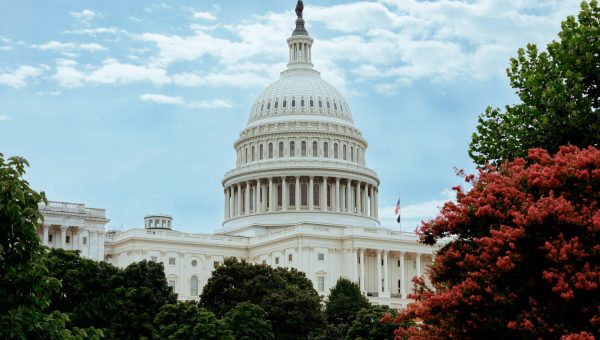
Kara Calvert, vice president of US policy at Coinbase, predicted at Consensus 2026 that the Senate Banking Committee could markup the CLARITY Act as early as the following week. The crypto market structure bill requires 60 votes and bipartisan support to advance in the chamber, a threshold that underscores the political complexity of passing digital asset legislation.
CLARITY Act Stalled Since January, Now Resurging
The CLARITY Act stalled in January 2026 after Coinbase withdrew its backing, citing three core objections: insufficient legal protections for open source developers, a prohibition on stablecoin yield, and expansive DeFi regulations. Calvert’s prediction signals a potential restart of negotiations, though it remains unclear whether Coinbase has renewed its support or under what terms the committee might proceed. The bill’s fate hinges on securing Democratic votes alongside Republican backers, a dynamic that has delayed markup for months.
Tax Policy Emerges as Central Bottleneck
Tax treatment has surfaced as the primary barrier to institutional crypto adoption. The IRS currently mandates 1099-DA forms for all digital asset transactions, including minimal trades worth as little as $1, generating millions of forms annually that industry figures describe as administratively burdensome. Calvert flagged this reporting regime as a critical pain point. Separately, Representatives Max Miller and Steven Horsford introduced the Digital Asset PARITY Act in March 2026 as an alternative tax reform proposal, signaling House momentum on narrower crypto tax provisions independent of broader market structure rules.
Voter Backing Strengthens Bipartisan Case
Polling data from HarrisX shows 70% of voters support passage of crypto legislation, with 62% believing the US should establish global rules for digital finance. These numbers provide political cover for lawmakers considering support. The Senate Banking Committee markup, if confirmed for the week of May 13, would represent the first substantive legislative movement on market structure since Coinbase’s January pullback. Calvert predicted House tax action within the next one to two months, suggesting a parallel track of activity.
60-Vote Threshold Defines Viability
The CLARITY Act’s 60-vote requirement means it cannot pass with Republican votes alone. Calvert explicitly stated the bill needs Democratic backing to succeed. A US senator has suggested an August 2026 vote is possible, though no formal timeline has been announced. The coming markup will test whether revised language on developer protections, stablecoin treatment, and DeFi scope can rebuild consensus across party lines.