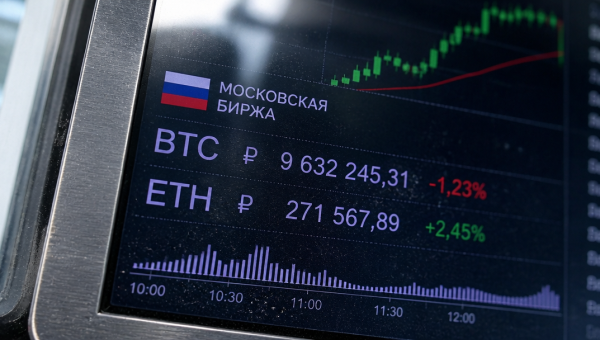
Russia’s central bank has finalized rules permitting retail investors to trade Bitcoin, Ether, and Tether through regulated intermediaries beginning November 17, marking the formal launch of the country’s first regulated cryptocurrency market.
The Bank of Russia published the finalized framework on November 6, implementing legislation that President Vladimir Putin signed on August 4. The law took effect on September 1. Moscow Exchange, Russia’s largest securities exchange, plans to launch cryptocurrency trading on December 1.
Retail Purchase Limits and Investor Tiers
Non-qualified investors face a strict annual purchase limit of 300,000 rubles (approximately $3,700 USD) per intermediary. Qualified investors are not subject to purchase caps. All investors must pass a mandatory test before trading begins.
Sberbank, Russia’s largest bank, was authorized by the Bank of Russia in October 2026 to offer crypto exchange services. Brokers, asset managers, and crypto exchange providers will also operate as regulated intermediaries, though the central bank has not yet named all authorized participants.
Eligible Cryptocurrencies and Selection Criteria
Only three digital assets qualify for public trading: Bitcoin, Ether, and Tether. The Bank of Russia selected these cryptocurrencies based on market capitalization, average daily trading volume, and a minimum of five years of price history on foreign exchanges.
Existing Restrictions and Future Bans
Russia maintains a prohibition on using cryptocurrency to pay for goods and services. Transfers from regulated digital accounts to self-custody wallets are already banned. Starting July 1, 2027, peer-to-peer cryptocurrency trading will be prohibited entirely.
The framework represents a shift in Russia’s approach to digital assets after years of regulatory ambiguity. The central bank did not specify the content of the mandatory trading test or publish detailed criteria distinguishing qualified from non-qualified investors.