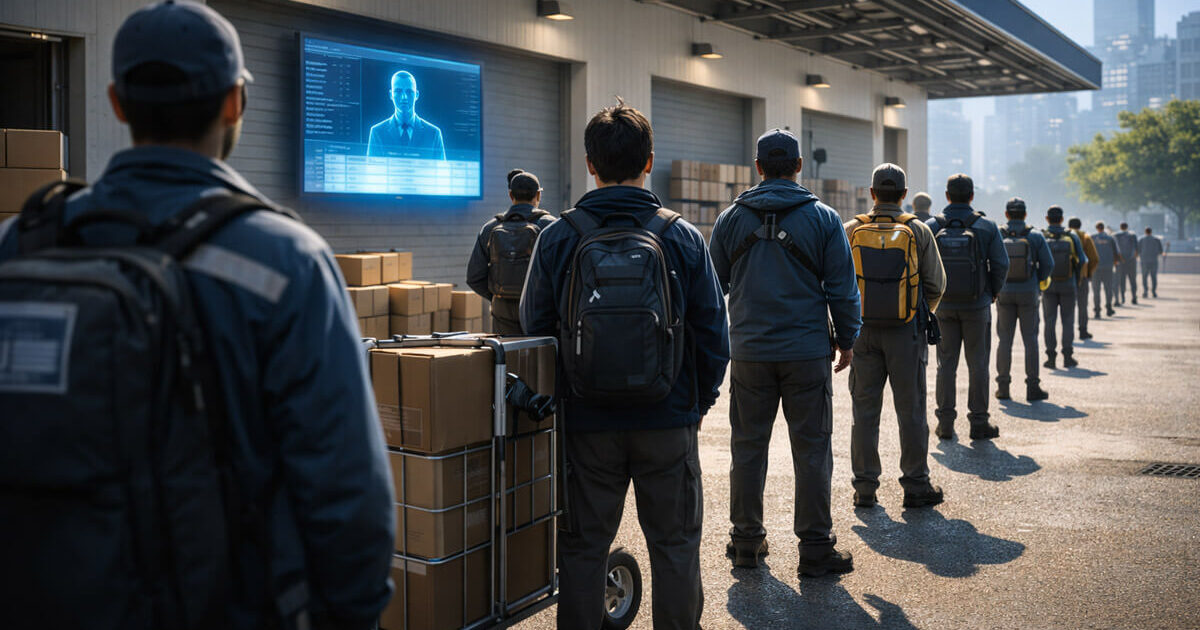
AI agents are taking on a new role in the workforce, focusing on organizing human labor instead of merely replacing jobs. This shift marks a significant evolution in how technology interacts with employment. Companies are increasingly turning to AI-driven systems to enhance productivity, leading to a restructured economy that emphasizes collaboration between humans and machines.
The recent advancements in AI technology have transitioned from mere novelty to practical, structured implementation across various industries. This change enables businesses to optimize workflows and allocate resources more efficiently. The emergence of AI agents has the potential to redefine job functions, with a focus on coordination and management rather than outright job displacement.
Interest in this development has garnered attention from industry leaders and analysts alike. As companies adopt these technologies, the dynamics of workforce management are shifting. Many businesses are now exploring how AI can facilitate better communication and task distribution among employees, ultimately driving greater efficiency. According to recent reports, organizations that have integrated AI solutions have seen improved operational performance as they navigate complex labor needs.
Looking ahead, the impact of these AI agents on employment practices warrants close observation. The focus should be on how these technologies facilitate new methods of organizing human labor. Understanding the measurable effects on productivity and job satisfaction will provide crucial insights. The next quarter will likely reveal deeper trends as more organizations implement AI-driven strategies to manage their human resources.