Ray Dalio recently shared his economic thesis in an essay published by TIME, highlighting concerns about dollar-debasement and its implications for Bitcoin. He argues that several indicators suggest a simultaneous breakdown in monetary systems, domestic political structures, and geopolitical order. This statement connects to fears surrounding the stability of the U.S. dollar and reflects broader uncertainties in the global economy.
Dalio’s thesis puts particular emphasis on geopolitical tensions, pinpointing the conflict in Iran as a critical trigger for potential economic disruptions. By framing his argument within a geopolitical context, he provides a deeper analysis of how international relations can influence financial markets. As investor sentiment shifts, those closely monitoring Bitcoin could see this as an opportunity or a risk, depending on their perspective on the dollar’s future.
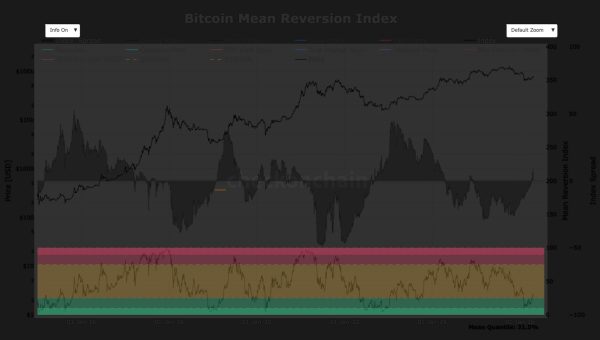
The crypto market is already feeling the effects of Dalio’s insights. Bitcoin has seen fluctuations in trading volumes as investors weigh the implications of his predictions. Analysts react with mixed views; some believe that a weakening dollar may drive more interest in alternative assets like Bitcoin. Others caution that without specific indicators and data to back Dalio’s thesis, the situation remains highly speculative.
Attention now turns to how these economic arguments might influence Bitcoin’s standing as a store of value. Investors are watching the $30,000 price level closely, searching for clues about the asset’s ability to act as a hedge against monetary instability. Upcoming geopolitical events and further developments in the conflict in Iran will likely play a significant role in shaping market reactions in the coming weeks.