Japan’s parliament passed revisions to the Financial Instruments and Exchange Act on Wednesday, introducing insider trading restrictions for crypto assets and sharply increasing penalties for unregistered businesses.
Insider Trading Carries 5 Years Prison and 5 Million Yen Fines
The updated law prohibits issuers, exchanges, and other market participants from trading while aware of undisclosed material information. Violations carry a maximum prison sentence of 5 years and fines up to 5 million yen. The framework mirrors insider trading enforcement in traditional financial markets.
Unregistered Business Penalty Doubled to 10 Years and 10 Million Yen
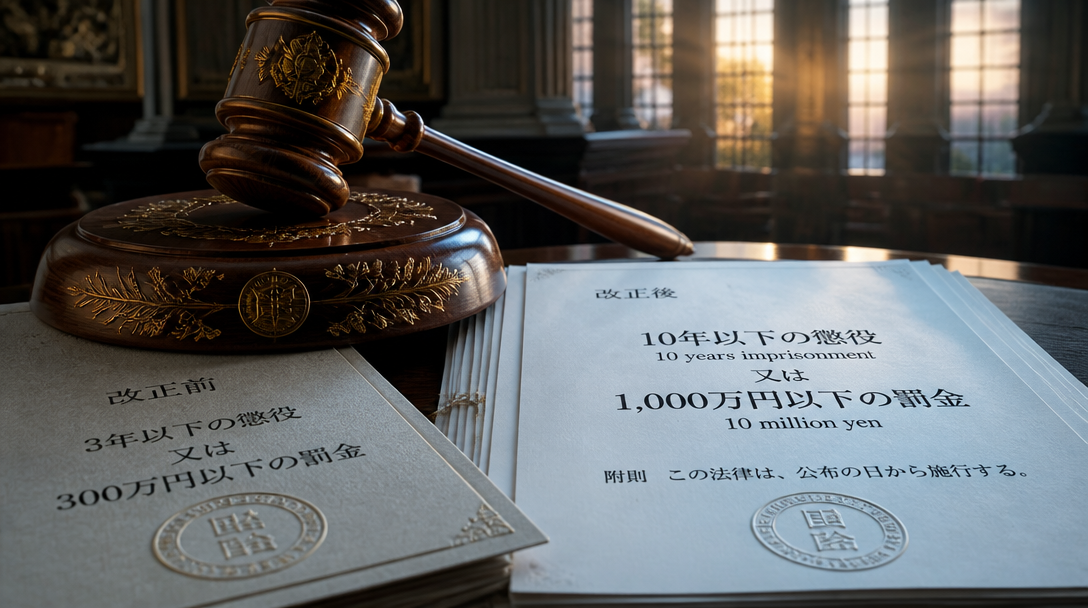
Penalties for operating a crypto business without registration have doubled. The maximum prison sentence increased from 3 years to 10 years, while the maximum fine rose from 3 million yen (approximately $19,000) to 10 million yen.
Crypto Reclassified From Payment Services Act to Financial Instruments
The revised law moves crypto regulation away from the Payment Services Act, which classified digital assets primarily as payment instruments. Under the new framework, crypto assets are treated as financial instruments subject to broader market oversight rules.
Registered businesses will now be termed “cryptocurrency trading companies” instead of “cryptocurrency exchanges,” reflecting the regulatory shift. Crypto businesses face additional compliance obligations designed to improve market integrity and protect users.
The overhaul represents Japan’s application of existing financial frameworks to crypto rather than treating the sector as a separate regulatory category. Similar moves have emerged globally as regulators adapt traditional finance rules to digital asset markets.
Frequently Asked Questions
What penalty does Japan now impose for running an unregistered crypto business?
The maximum prison sentence increased from 3 years to 10 years, and the maximum fine rose from 3 million yen to 10 million yen.
What are the penalties for crypto insider trading in Japan?
Violations carry a maximum prison sentence of 5 years and fines up to 5 million yen, mirroring insider trading enforcement in traditional financial markets.
How does the revised law reclassify crypto assets?
It moves crypto away from the Payment Services Act, treating crypto assets as financial instruments subject to broader market oversight under the Financial Instruments and Exchange Act.