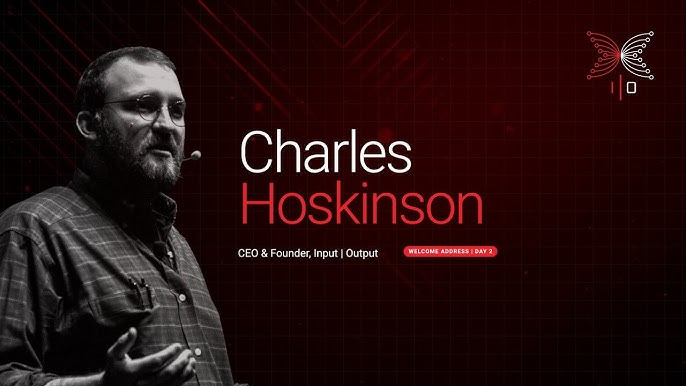
Cardano founder Charles Hoskinson responded to Flare founder Hugo Philion’s criticism of Cardano’s DeFi performance, dismissing the comparison as an old marketing tactic. Philion had highlighted that Flare’s DeFi total value locked (TVL) of $159 million now exceeds Cardano’s $132 million, despite Cardano launching six years earlier. Hoskinson suggested Philion adopt newer promotional strategies like “TikTok reaction videos” instead of network comparisons. The exchange underscores intensifying competition between the two blockchains as they vie to become the dominant DeFi layer for Bitcoin.
Flare Gains Ground in Bitcoin DeFi Race
Both Cardano and Flare position themselves as infrastructure for programmable Bitcoin. Cardano aims to make BTC yield-generating through smart contracts. Flare, launched in 2017, positions itself as a unified DeFi layer supporting FXRP, FBTC, FXLM, real-world assets, and stablecoins. Philion’s criticism centered on Cardano’s inability to replicate Flare’s growth trajectory despite the six-year head start. He noted that “nothing has materially changed for ADA despite attacks against the network in 2022,” questioning Cardano’s strategic direction. Philion later clarified his post was data-driven, not an attack, citing only DeFiLlama metrics.
TVL Disparity Reflects Ecosystem Momentum
The TVL gap between the networks reveals divergent adoption paths. Cardano’s $132 million DeFi TVL contrasts sharply with Flare’s $159 million, a 20% advantage despite Flare’s younger market presence. Flare’s FXRP token has a market cap of $220 million with 155 million tokens in circulation, indicating solid capital formation within the XRP ecosystem. Cardano’s ADA token traded at $0.27 at the time of the exchange, up 5% in 24 hours, though this short-term movement does not address Philion’s longer-term performance critique. The TVL comparison cuts deeper than price action, reflecting actual developer and user allocation.
Bitcoin Layer Competition Intensifies
The Hoskinson-Philion exchange reflects a broader competition for Bitcoin DeFi dominance. Multiple blockchains are racing to become the settlement and yield layer for Bitcoin, with Cardano and Flare among the leading contenders. Flare’s ecosystem expansion and TVL growth suggest market participants are allocating capital to its vision. Hoskinson’s dismissal of the criticism as marketing tactics sidesteps the underlying TVL data. The two networks represent different approaches: Cardano’s smart contract model versus Flare’s interoperability-focused design. Both claim Bitcoin integration as their core thesis.
Unclear Path Forward for Cardano’s Bitcoin Strategy
Cardano has not issued an official statement from Input Output Global (IOG) addressing Flare’s performance claims or its own Bitcoin DeFi roadmap. Hoskinson’s response focused on critique of Philion’s communication style rather than Cardano’s technical or adoption strategy. The unresolved question remains whether Cardano can close the TVL gap and deliver meaningful Bitcoin integration before competitors consolidate market share. Flare’s current momentum and Cardano’s stalled DeFi growth suggest the competitive landscape is shifting.