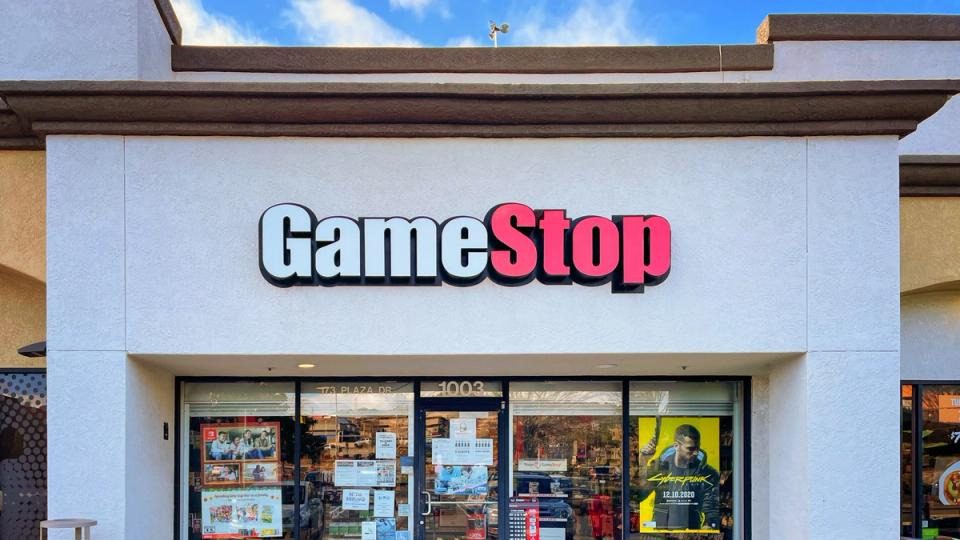
GameStop submitted a non-binding $55.5 billion acquisition offer for eBay on Sunday at $125 per share, a 46% premium to early February valuations. The proposal immediately triggered scrutiny over whether the video game retailer will liquidate its 4,709 BTC holdings—currently valued at $368 million—to help finance the deal. Ryan Cohen, GameStop’s CEO, has already signaled crypto is not a priority, stating the eBay expansion plan is “way more compelling than bitcoin.”
GameStop’s Accelerating E-Commerce Pivot
GameStop began accumulating an eBay position in early February 2026, building what now represents a 5% economic stake through shares and derivatives. The company’s balance sheet shows $9.4 billion in available liquidity, comprising $9 billion in cash and $368 million in bitcoin holdings. Cohen framed the eBay acquisition as “very, very, very big,” signaling a strategic shift away from pure video game retail toward broader e-commerce infrastructure. In February, Cohen explicitly ranked the eBay opportunity above cryptocurrency holdings, a statement that now carries direct financial implications as GameStop pursues the transaction.
Funding Structure and Bitcoin’s Uncertain Role
GameStop is seeking up to $20 billion in external financing, with TD Securities backing the bid. The company stated it has the “ability to issue stock” to complete the deal, suggesting equity dilution may offset debt requirements. Last month, GameStop moved 4,709 BTC to Coinbase Prime under a covered-call options strategy, generating income while technically maintaining bitcoin exposure. No official statement has confirmed whether these holdings will be sold to fund the acquisition. At $79,984 per BTC at publication, the bitcoin position represents less than 4% of the total deal value, making it a modest but not insignificant asset in the financing equation.
Implications for Crypto-Holding Public Companies
GameStop’s potential bitcoin liquidation would set a precedent for public companies holding crypto to fund major acquisitions. The move signals that strategic business expansion can override cryptocurrency holdings as a capital allocation priority. Other firms evaluating similar positions may face investor pressure to justify crypto holdings versus deploying capital into core operations. If GameStop proceeds with a BTC sale, it could reinforce market perception that corporate crypto treasuries function as auxiliary balance sheet assets rather than long-term strategic reserves.
Next Steps and Unresolved Variables
eBay has not publicly responded to GameStop’s non-binding offer. No timeline exists for deal completion, shareholder votes, or regulatory approval. GameStop must now navigate financing negotiations, eBay board response, and potential activist shareholder input. The company’s bitcoin strategy—whether maintained, liquidated, or partially deployed—remains undisclosed. Clarity on these fronts will emerge only after formal negotiations begin or if eBay rejects the proposal outright.


