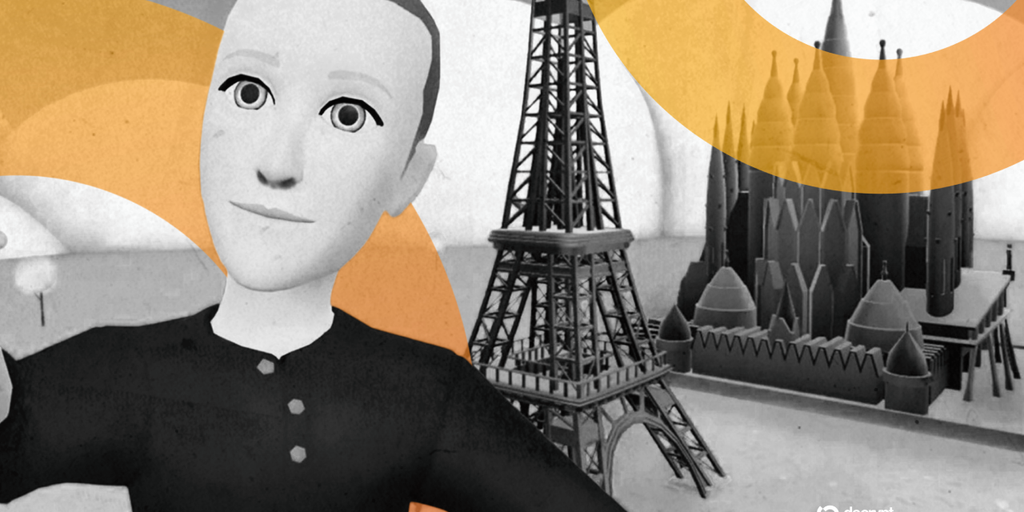
Meta is working on a photorealistic AI clone of its CEO Mark Zuckerberg. This project marks a significant shift in the company’s approach to digital representations, moving away from the cartoonish avatars that became widely recognized and often ridiculed since their debut in Horizon Worlds three years ago.
The move toward realistic AI representations aims to enhance user interaction within Meta’s platforms, particularly in the metaverse space. Realism in avatars can lead to deeper engagement and connection among users, potentially transforming how individuals engage in virtual environments. As Meta seeks to redefine its offerings, this development could attract users looking for more immersive experiences.
While there are no specific details regarding the technology or methods being used to create this AI clone, speculation is high regarding the capabilities of modern AI and machine learning tools. The transition to lifelike avatars could influence social media dynamics and alter users’ perceptions of digital interactions. The effectiveness of such clones hinges on their ability to replicate human nuances, which has always been a challenge in AI development.
A key aspect to monitor is how this technology is received by the public. Meta has not announced a timeline for the AI clone’s rollout, but its introduction could coincide with upcoming product launches or updates. Observers will want to track the transition milestones as they unfold, especially once Meta shares specific dates or further information about the project.