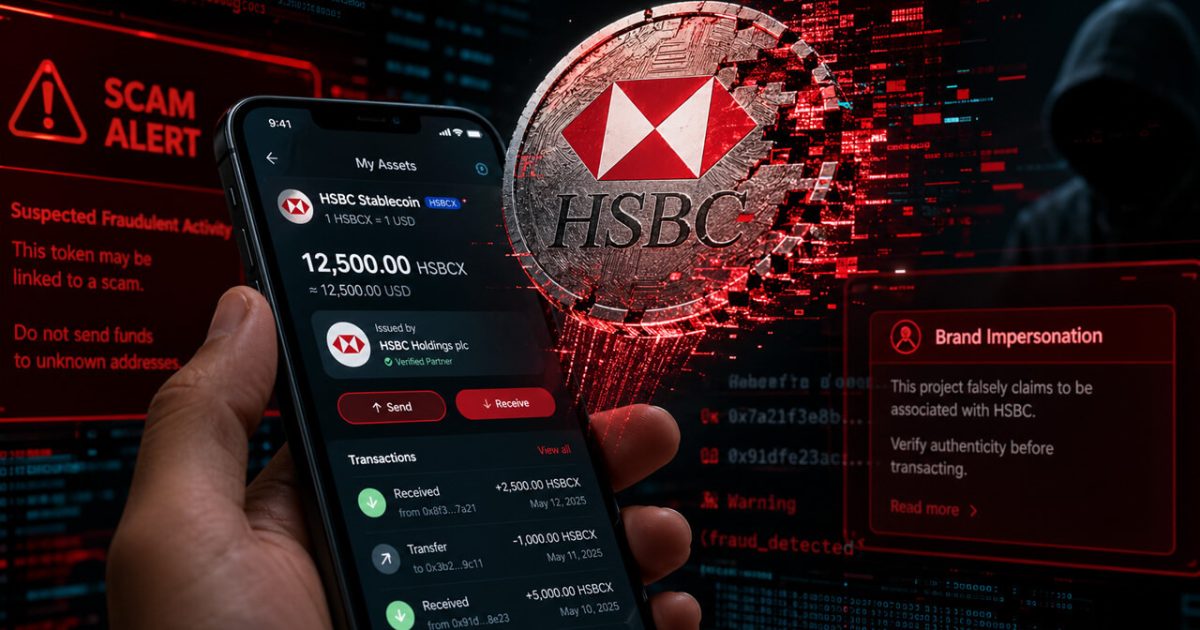
Counterfeit HKDAP and HSBC stablecoins appeared on the market within three weeks of Hong Kong’s regulated stablecoin regime going live, prompting the Hong Kong Monetary Authority to issue a regulatory alert on April 28, 2026. The fake tokens capitalized on the institutional credibility of licensed issuers before legitimate products launched, exposing a critical vulnerability in Hong Kong’s newly minted digital asset framework.
Hong Kong’s Stablecoin Licensing Creates Impersonation Window
Hong Kong’s Stablecoins Ordinance took effect in August 2025, establishing the first full-reserve stablecoin licensing regime in Asia. The HKMA approved only 2 issuers from 36 applicants on April 10, 2026: HSBC and Anchorpoint Financial, a joint venture backed by Standard Chartered, Animoca Brands, and HKT. Neither issuer has launched consumer products yet. HKMA chief executive Eddie Yue described the licensing milestone as an “important step toward digital assets that could address real pain points in economic activity and support Hong Kong’s position as a serious financial centre.” The regulatory framework requires full reserve backing, identity-verified wallets, and ongoing disclosure, but the gap between licensing approval and product launch created an opportunity for scammers to impersonate institutional brands.
Regulatory Response and Enforcement Stakes
The HKMA flagged impersonation risks as early as July 2025, before the Ordinance took effect. The regulator issued the April 28 alert after fake tokens bearing HSBC and Anchorpoint branding appeared on exchanges within weeks of the April 10 licensing announcement. Violations carry severe penalties: up to HK$5 million in fines and 7 years maximum prison sentences for unauthorized stablecoin issuance. HSBC holds US$3.2 trillion in assets and operates across 160 years of banking history, making its brand a high-value target for impersonation. Anchorpoint’s backing from Standard Chartered CEO Bill Winters and major institutional partners equally amplified the scam’s credibility risk.
Stablecoin Rollout Timeline Leaves Exposure Window Open
Anchorpoint targets Q2 2026 for HKDAP launch, while HSBC plans a mid to H2 2026 rollout. The HKMA expects regulated stablecoins to enter the market during the same period. This timeline leaves several months of vulnerability before legitimate products reach consumers, during which counterfeit tokens can accumulate users and trading volume. The fake token scheme exploited the public’s inability to distinguish licensed products from unauthorized imitations during the regulatory approval phase. HKMA’s alert did not disclose how scammers obtained or distributed the fake tokens, nor which exchanges listed them.
Broader Implications for Asia’s Digital Asset Infrastructure
The incident reveals a structural challenge in regulated stablecoin launches: the credibility gap between licensing approval and product availability. Hong Kong’s 5.6% approval rate (2 from 36 applicants) suggests a rigorous vetting process, but rapid scam emergence indicates market participants moved faster than institutional issuers. Standard Chartered’s Bill Winters characterized the licensed framework as laying “the foundation for a new era of digital trade settlement,” but trust in that foundation depends on consumer ability to identify legitimate tokens. The fake token scheme tested Hong Kong’s enforcement capacity before regulated stablecoins even launched.
What Comes Next for Legitimate Issuers
HSBC and Anchorpoint must now launch products amid active impersonation campaigns. HSBC’s existing 3.3 million PayMe users represent a ready distribution channel, but the fake token alert could complicate onboarding. The HKMA will likely accelerate enforcement against unauthorized issuers and exchange delistings. Neither HSBC nor Anchorpoint has publicly responded to the scam, leaving open questions about how they plan to protect brand reputation during their Q2-H2 2026 rollout windows.