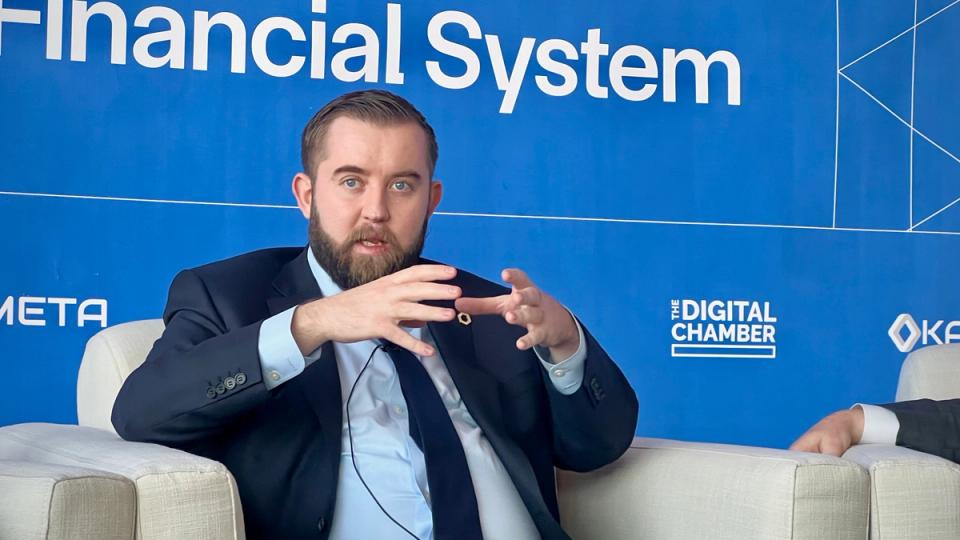
The Depository Trust & Clearing Corporation integrated Chainlink’s oracle network into its blockchain-based Collateral AppChain on May 12, 2026, automating collateral management across global financial markets through tokenization and smart contracts. The infrastructure enables near real-time asset movement and eligibility checks across institutions and time zones, addressing fragmentation in legacy settlement systems that process $4.7 quadrillion in annual securities transactions.
How Tokenization Solves Collateral Friction
Current collateral systems trap assets across institutions and geographies, creating operational delays and reducing capital efficiency. DTCC’s tokenized collateral platform converts securities into blockchain-native assets, enabling 24/7 movement without waiting for institutional banking hours or clearing windows. The Smart NAV pilot in 2024 tested mutual fund net asset value data on blockchains with JPMorgan, BNY Mellon, and Franklin Templeton, validating the technical foundation. Chainlink’s decentralized oracle network connects real-time asset prices, valuations, and settlement instructions directly to the AppChain, eliminating manual data entry and reducing settlement risk. Nadine Chakar, DTCC managing director and global head of digital assets, stated the goal is to enable near real-time collateral management across global markets and blockchains through distributed ledger technology.
Production Rollout and Adoption Timeline
DTCC plans limited production trades in July 2026, with the full tokenization service launch targeted for October 2026. More than 50 financial institutions have joined the working group for the tokenization service, signaling institutional demand. The integration of Chainlink infrastructure provides eligibility checks, margining calculations, and settlement instruction automation—functions previously handled by separate legacy systems. The $114 trillion in securities custody and asset servicing value under DTCC management represents the addressable market for tokenized collateral workflows. Broader adoption depends on participating institutions operationalizing connections to the AppChain and integrating tokenized collateral into their risk management frameworks.
Implications for Market Infrastructure and DLT Settlement
This integration represents a material shift in how post-trade infrastructure handles collateral at institutional scale. By embedding oracle-verified data into smart contracts, DTCC reduces settlement times from days to minutes and eliminates counterparty risk in collateral transfers. The model extends beyond equities to any tokenized asset class—bonds, derivatives, commodities—creating a unified collateral pool across asset types. Regulatory approval and interoperability with non-DTCC blockchains remain unresolved variables. Success here establishes a template for central securities depositories globally to migrate legacy infrastructure to blockchain-native settlement.
What Happens Next
The July 2026 limited production trades will stress-test operational resilience and oracle reliability under market conditions. October’s service launch will determine whether the 50+ working group members commit transaction volume to the platform. The critical metric: collateral velocity—how much notional value moves through the AppChain daily. If adoption reaches scale, DTCC’s model could force competitors like Euroclear and SIX to accelerate their own tokenization roadmaps.