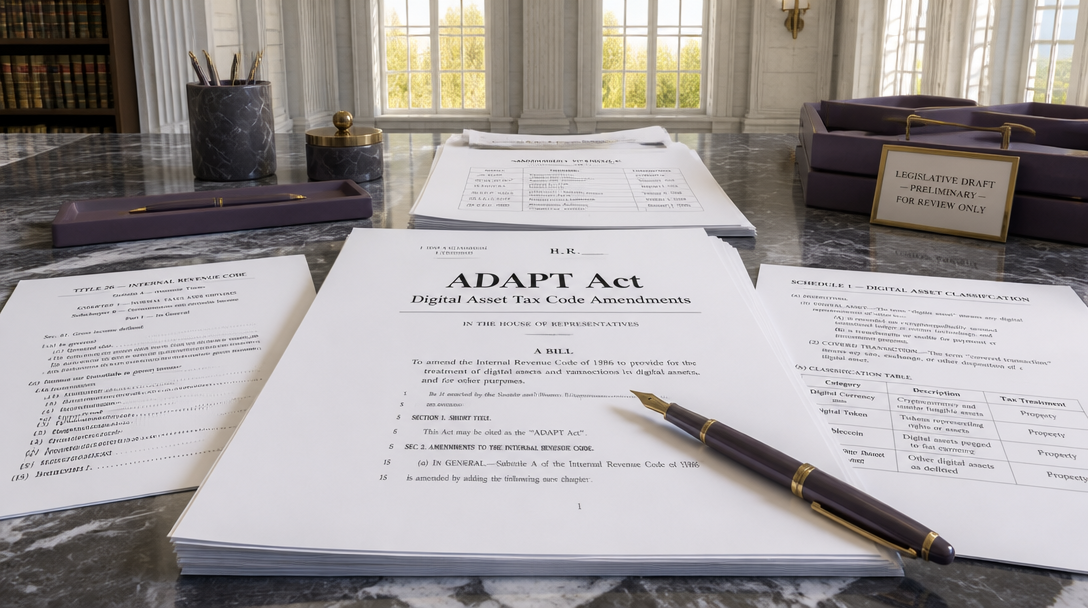
Republican Senator Steve Daines released the ADAPT Act on September 30, a sweeping proposal to update U.S. tax code for digital assets including stablecoins, network fees, staking, and lending. The bill extends wash sale and constructive sale rules to cryptocurrency for the first time.
Co-sponsored by Senators Kyrsten Lummis, Rick Moreno, and Tim Scott, the Aligning Digital Assets with Principles of Taxation Act (ADAPT Act) targets a regulatory gap. “Digital assets have moved into the mainstream, but the tax code hasn’t kept up,” Daines said in announcing the proposal.
Stablecoin Framework and Transaction Exemptions
The bill creates specific rules for stablecoins meeting price stability criteria. A stablecoin must maintain a peg to $1.00 and qualify under the GENIUS Act framework with a maximum 3% price variance threshold. Spending stablecoins on goods or services would not trigger capital gains or losses if the coin meets these criteria.
Under the proposal, brokers would not report qualifying stablecoin transactions to the IRS. Network fees of $10 or less would receive tax-free treatment, removing friction from everyday crypto transactions.
Wash Sale Extension and Exemptions
The ADAPT Act applies wash sale rules to crypto for the first time, barring tax loss claims if an asset is sold and repurchased within 30 days. However, staking rewards, mining rewards, and regular recurring purchases are exempt from the wash sale restrictions.
Tokenized stock versions would count as “substantially identical” to underlying shares under the proposal, triggering wash sale treatment when applicable. Assets purchased before the bill becomes law would be grandfathered from the new rules.
Legislative Context
“My bill would create clearer rules for stablecoins, network fees, staking and lending—while extending familiar tax rules like wash sales and constructive sales to digital assets,” Daines said.
The proposal arrives as lawmakers draft digital asset rules following President Trump taking office on a pro-crypto platform. The Clarity Act collapsed in the Senate last month. The House Ways and Means Committee overwhelmingly approved separate cryptocurrency tax legislation one day after the Clarity Act’s collapse, signaling bipartisan momentum on the issue.