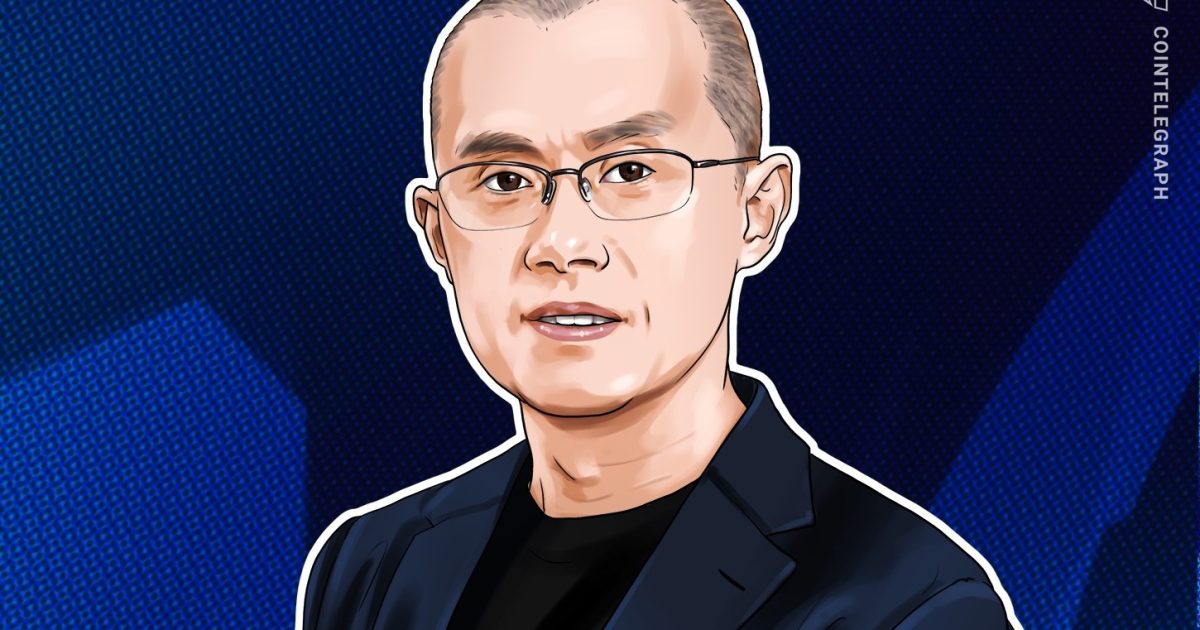
Changpeng “CZ” Zhao alleged on May 9, 2026 that unnamed US crypto exchanges mounted a coordinated lobbying campaign to prevent his presidential pardon, fearing his release would enable Binance’s comeback in the American market. The Binance co-founder, who received a pardon from President Donald Trump in October 2025 after serving four months in prison, made the claim during an appearance on the Crypto Banter podcast hosted by Ran Neuner. Zhao stopped short of naming specific competitors or providing documented evidence of the alleged opposition.
The Prosecution and Market Exit
Zhao was prosecuted for violations of the Bank Secrecy Act and International Emergency Economic Powers Act, along with failure to register as a money transmitter. The case resulted in a $4.3 billion settlement between Binance and the US government in 2023, followed by Binance’s complete withdrawal from the American market in November 2023. Zhao served his four-month sentence in 2024 and completed it by September of that year. The legal pressure on Binance extended beyond Zhao’s case: in March 2026, a federal court in Alabama dismissed a complaint alleging the exchange had facilitated terrorist funding.
Pardon and Competitive Concerns
Trump’s October 2025 pardon reinstated Zhao’s freedom at a moment when Binance.US, the platform’s regulated subsidiary, had already resumed operations in February 2025. Zhao stated on the podcast: “The other crypto exchanges in the US don’t want me to get a pardon.” He acknowledged lacking direct proof but said he was “pretty confident” competitors had lobbied against the pardon. No rival exchanges have publicly commented on the allegation. Trump himself told CBS in a November 2025 60 Minutes interview that he had “no idea who” Zhao was when granting the pardon, despite being told the case represented a “witch hunt.”
Market Dynamics and Regulatory Backdrop
The allegation highlights ongoing tensions within US crypto market structure. Binance’s absence created space for competitors to capture market share over the past two and a half years. Binance.US’s February 2025 restart predated the pardon by eight months, suggesting the company had already begun repositioning itself within US regulatory frameworks. Whether the pardon materially changes Binance’s ability to operate at scale in the US remains unclear. The $4.3 billion settlement and ongoing regulatory scrutiny constrain the exchange’s options regardless of Zhao’s legal status.
What Comes Next
Zhao has signaled long-term ambitions beyond immediate US re-entry. He projected in recent interviews that crypto would become “invisible infrastructure” by 2031, a five-year outlook that positions Binance within a broader industry maturation narrative. The pardon removes a personal legal barrier but does not automatically resolve Binance’s regulatory standing in the US. Market observers will track whether Binance attempts to expand its US operations under Binance.US or pursues a distinct corporate structure.