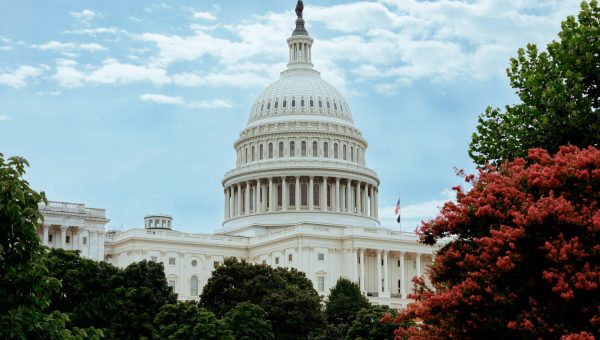
The proposed CLARITY Act cryptocurrency legislation has identified five major beneficiaries of US regulatory clarification, according to market analyst Digital Oil—but XRP’s exclusion from the winners list signals a sharper divide in how Congress plans to classify digital assets. The bill aims to distinguish digital commodities from securities, ending years of regulatory ambiguity that has constrained institutional adoption. Ethereum, Chainlink, Circle, Coinbase, and Robinhood emerge as primary winners, while the asset community expected broader protection across the sector.
Stablecoin Provisions Drive Legislative Compromise
Banking trade groups spent months disputing the CLARITY Act’s stablecoin yield provisions, arguing that interest-bearing stablecoins would drain deposits from the traditional banking system and threaten financial stability. The final agreement bans stablecoin yield entirely but permits activity-based rewards—a compromise that satisfied both crypto infrastructure firms and banking regulators. This settlement cleared the path to a May 14 Senate Banking Committee markup vote, marking the first serious legislative push to codify commodity versus securities status since the 2024 election cycle.
Ethereum, Chainlink, Circle Lead Market Positioning
Digital Oil identified Ethereum as the settlement layer most likely to benefit from commodity classification, while Chainlink’s oracle infrastructure and Circle’s USDC stablecoin emerge as critical infrastructure plays under the new regime. Coinbase CEO Brian Armstrong publicly backed the bill despite rejecting it twice previously—a reversal that signals institutional confidence in the legislative framework. Robinhood’s inclusion reflects retail exchange exposure to commodity-class trading. The five-entity consensus reflects a clear hierarchy: layer-one blockchains, oracle networks, and stablecoin rails rank above alternative layer-one assets in the regulatory blueprint.
XRP’s Exclusion Signals Regulatory Classification Risk
XRP’s absence from the winners list contradicts community expectations that broad commodity clarification would protect all digital assets equally. The exclusion raises questions about whether Ripple’s centralized token distribution or its historical SEC litigation creates residual classification risk even under commodity-friendly legislation. XRP activity on Binance sits near 19-month lows, and the asset carries a $12 price target amid broader market uncertainty. The CLARITY Act’s structure suggests Congress may differentiate between decentralized protocols and projects with concentrated token control or institutional backing.
Markup Vote Sets June Timeline for Sector Clarity
The May 14 Senate Banking Committee vote represents the concrete next milestone for cryptocurrency regulation in 2025. Passage would signal bipartisan support for commodity classification and stablecoin activity-based rewards, creating legal certainty for Ethereum development, Chainlink integrations, and Circle’s USDC expansion. Failure or substantial amendment would reset negotiations and extend regulatory uncertainty indefinitely. The bill’s success hinges on whether the compromise between banking interests and crypto infrastructure holds through full Senate consideration.