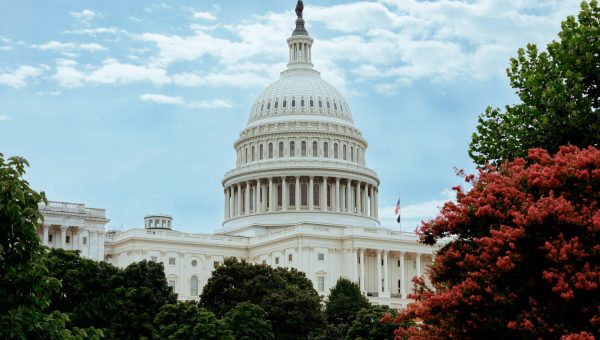
US Senator Kirsten Gillibrand stated that the Senate could vote on the CLARITY Act before the August 10 recess, provided lawmakers resolve three outstanding provisions: consumer protection, illicit finance safeguards, and ethics language. The digital asset market structure bill has cleared the Senate Agriculture Committee but faces renewed scrutiny in the Banking Committee, where negotiations stalled in January. Gillibrand’s timeline compresses a crowded legislative window into roughly three months.
Ethics Clause Becomes Dealbreaker for Passage
Gillibrand emphasized that the ethics provision is non-negotiable. “There will be no one voting for this bill if we don’t have an ethics provision,” she said at the Consensus conference in Miami on May 6. “We cannot allow members of Congress, senior administration officials, presidents or vice presidents, to get rich off of these industries because of their insider status.” The remark signals direct concern over conflicts of interest within the Trump administration, which has crypto holdings including a memecoin and World Liberty Financial, a family crypto business. The ethics language represents a political price for crypto industry support, particularly from executives like Ripple CEO Brad Garlinghouse and Coinbase CEO Brian Armstrong.
Timeline Tightens as Prediction Markets Diverge
Prediction markets reveal fractured expectations. Polymarket assigns 65% probability the CLARITY Act becomes law by year-end 2026, while Kalshi puts the pre-August passage odds at 49%. Garlinghouse framed the moment as urgent, noting “there’s a window of opportunity, and that’s always important that you act when you find that window of opportunity.” Summer Mersinger, former CFTC Commissioner and CEO of the Blockchain Association, offered a more measured view: “That doesn’t mean the window’s not going to open again. You just never know what’s going to happen in the intervening events that maybe will bring people back to this issue after August recess.”
Consumer Protection and Illicit Finance Still Unresolved
The Banking Committee previously announced a stablecoin yield compromise, signaling progress on one regulatory front. However, detailed language on consumer protection and illicit finance provisions remains under negotiation. Coinbase opposed the bill as written in January, citing concerns over DeFi, stablecoin, and tokenized equities language. No public statement has confirmed when these three conditions will be finalized or whether the Banking Committee will schedule a formal markup before the August recess begins.
Next Milestone: May-June Banking Committee Action
The immediate test occurs within the next six to eight weeks. The Banking Committee must resolve ethics, consumer protection, and illicit finance language, then schedule and complete markup before the August 10 recess. Failure to act by August does not kill the bill permanently. Mersinger’s comment suggests the window could reopen in the fall, though legislative momentum often dissipates after extended breaks. Gillibrand’s statement signals willingness to advance the bill, provided the ethics guardrails satisfy both Democratic and Republican concerns.