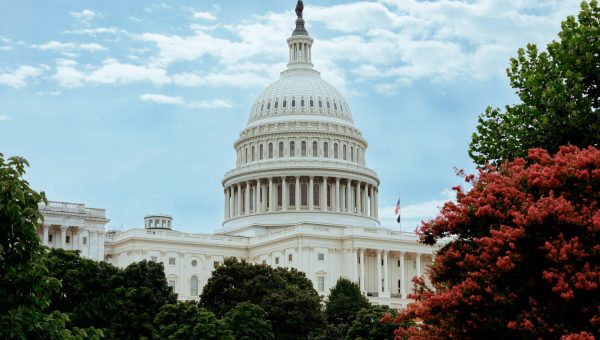
The CFTC received over 1,500 public comments on its March prediction market rulemaking proposal, with respondents sharply divided on whether federal or state authorities should regulate platforms like Kalshi, Polymarket, and Coinbase. The comments reveal a fundamental clash: the CFTC asserts exclusive federal jurisdiction over event contracts, while state gaming regulators and gambling authorities argue prediction markets operate as unlicensed sportsbooks under their domain.
Federal Authority vs. State Gambling Law
The CFTC has positioned itself as the primary regulator of prediction markets, claiming longstanding exclusive jurisdiction over futures and event contracts. Industry platforms support this framework. Luana Lopes Lara, Kalshi co-founder and COO, characterized CFTC regulations as “well-designed and effective.” Justin Hertzberg, Polymarket’s US CEO, emphasized the importance of “asserting the CFTC’s longstanding exclusive jurisdiction over prediction markets.” However, state regulators contest this authority. Pennsylvania Gaming Control Board official Kevin O’Toole warned that prediction markets “masquerade as unregulated sportsbooks.” Tennessee Sports Wagering Council’s Mary Beth Thomas stated flatly that her state “disputes that sports event contracts offered on prediction markets fall within the jurisdiction of the CFTC at all.” Missouri Gaming Commission’s Michael Leara added that “Congress did not intend futures markets to encompass gambling activities.”
Market Pressure and Legal Challenges
The rulemaking proposal arrives amid active litigation. Multiple US states have sued prediction market platforms, alleging unlicensed sports gambling operations. The CFTC, in turn, has sued state governments defending its regulatory authority. The US Senate recently passed a ban on members and staff using prediction markets, signaling congressional concern about insider trading risks and market integrity. The comment period closed May 1, 2026, after generating responses from industry platforms, state regulators, venture capital backers including Andreessen Horowitz, and consumer advocacy groups. At least 12 consumer organizations signed a joint letter to the CFTC, though specific positions remain undisclosed in available reports.
Consumer Protection and Geopolitical Risk
Consumer advocacy groups raised distinct concerns beyond the jurisdictional dispute. Better Markets CEO Dennis Kelleher called for the CFTC to “prohibit event contracts that involve elections or geopolitical events,” citing insider trading and market manipulation risks. This signals growing pressure on regulators to restrict prediction market scope regardless of which agency holds authority. The geopolitical event category remains particularly contentious, as contracts tied to wars, diplomatic incidents, or election outcomes present both information asymmetry and national security considerations that neither federal nor state frameworks have fully addressed.
Next Steps: Rule Finalization and Enforcement
The CFTC has not announced a timeline for finalizing the rule or detailed how many comments supported versus opposed federal jurisdiction. The agency faces pressure from multiple directions: states demanding recognition of their gambling authority, industry demanding clear CFTC rules, and consumer groups demanding restrictions on certain event categories. Resolution of this jurisdictional clash will shape prediction market viability across the US and determine whether platforms can operate at scale or face fragmented state-by-state compliance requirements.