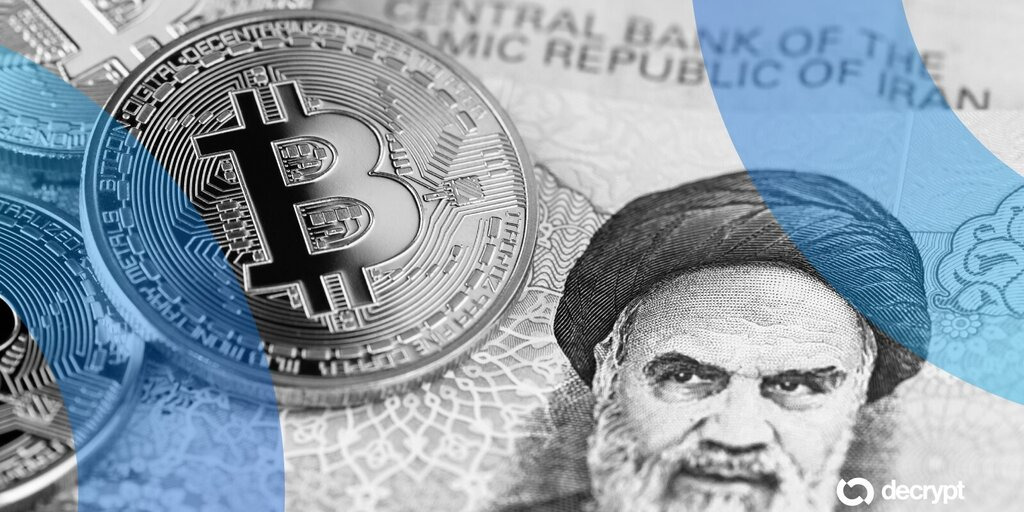
Bitcoin surged above $82,000 to mark its highest level in three months, driven by reports of a potential US-Iran agreement. The move underscores how macroeconomic and geopolitical tensions continue to shape crypto markets, with BTC climbing 1.34% in 24-hour trading to reach $82,328. The price action reflects investor appetite for alternative assets during periods of diplomatic negotiation between major powers.
Geopolitical Risk and Crypto Safe-Haven Demand
Bitcoin has historically served as a hedge against geopolitical uncertainty and currency debasement. The reported US-Iran agreement appears to have triggered a reassessment of near-term macro risk, with traders rotating into assets perceived as independent of traditional government policy. The $82,000 level marks the first time BTC has traded at this height since the previous three months, signaling renewed institutional and retail interest in price discovery above established resistance. Geopolitical de-escalation narratives have previously lifted risk assets broadly, though Bitcoin’s movement in such contexts often outpaces traditional equities due to its 24/7 market structure and global participation.
Price Action and Three-Month Breakout
At $82,328, Bitcoin’s current level represents a meaningful breakout from its three-month trading range. The 1.34% 24-hour gain, while modest in volatility terms, confirms sustained buying pressure rather than a single spike. This price milestone matters for technical traders monitoring key resistance zones and for macro investors tracking Bitcoin’s correlation with real-world events. The timing of the price move directly coincides with news flow around the US-Iran diplomatic development, though the specific causal mechanism linking the agreement to BTC demand remains unconfirmed by market participants or analysts.
Macro Implications for Risk-Off Asset Classes
If geopolitical tensions ease, traditional safe-haven flows typically redistribute across multiple asset classes including gold, the US dollar, and sovereign bonds. Bitcoin’s outperformance in this instance suggests traders are pricing in currency depreciation or inflation expectations tied to potential diplomatic resolution and reduced military spending uncertainty. The move also reflects growing institutional acceptance of crypto as a legitimate macro hedge alongside commodities and fixed income. Whether the $82K level holds as support or resistance will depend on further developments in US-Iran relations and broader macro data.
What Happens Next
Bitcoin’s ability to sustain above $82,000 hinges on confirmation of the US-Iran agreement terms and any follow-up geopolitical announcements. Traders should monitor whether this breakout attracts fresh capital inflows or remains a tactical reposition. The next key variable is whether traditional macro assets (bonds, commodities) also rally on the same news, which would validate a broad risk-off narrative rather than crypto-specific demand.