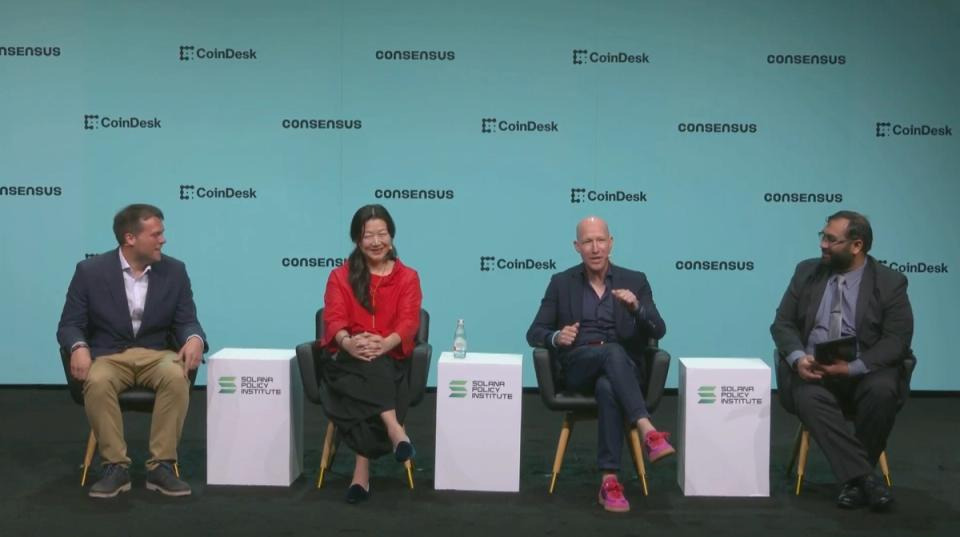
Aave Labs will implement new collateral and asset listing standards that assess cybersecurity, interoperability, and technical architecture alongside financial risk. The overhaul follows the April 2026 KelpDAO bridge exploit, which resulted in 116,500 unbacked rsETH tokens worth $293 million entering Aave as collateral, leaving hundreds of millions in impaired debt on the protocol.
How the KelpDAO Exploit Exposed Aave’s Risk Framework
The April exploit revealed critical gaps in Aave’s existing collateral assessment process, which had focused narrowly on financial metrics and volatility. The vulnerability allowed rsETH—a restaking token issued by KelpDAO—to circulate as valid collateral despite the underlying bridge being compromised. Linda Jeng, Chief Legal and Policy Officer at Aave Labs, described the incident as a watershed moment for protocol governance. “Out of a crisis like this, it ups our standards,” Jeng said. The exploit forced the DeFi ecosystem to confront systemic risk in a way traditional finance had not addressed since 2008.
DeFi United Forms to Contain Contagion
Rather than rely on government intervention, the DeFi industry self-organized through DeFi United, a coalition including Lido, EtherFi, and Ethena, to address the collateral shortfall and prevent cascading failures across lending markets. Jeng drew an explicit parallel to the 2008 financial crisis: “In the financial crisis, we had to bail out the banks. Here, we came together as an ecosystem to bail ourselves out.” The contrast underscores DeFi’s capacity for rapid, decentralized coordination—though at significant cost. Jeng noted experiencing “two weeks of no sleep” managing the crisis response.
New Standards Target Technical Architecture and Security
Aave’s revised framework will move beyond financial metrics to evaluate assets on three dimensions: cybersecurity practices, interoperability across chains and protocols, and technical architecture soundness. This approach recognizes that token risk is not solely a function of price volatility or collateral backing. The new standards address a blind spot in DeFi’s risk infrastructure: the absence of standardized security and technical due diligence for assets entering major lending protocols. The announcement came at Consensus Miami 2026, signaling industry-wide acknowledgment that collateral assessment requires deeper technical scrutiny.
Implementation Timeline and Next Steps Unclear
Aave has not disclosed the specific implementation timeline for the new standards or detailed the minimum standards playbook. The initiative represents a necessary evolution in DeFi risk management, but the pace and scope of adoption across the ecosystem remain open questions. Other lending protocols and collateral-accepting platforms will likely face pressure to adopt similar frameworks, though coordination on standardized technical assessment criteria has historically proven difficult in decentralized finance.