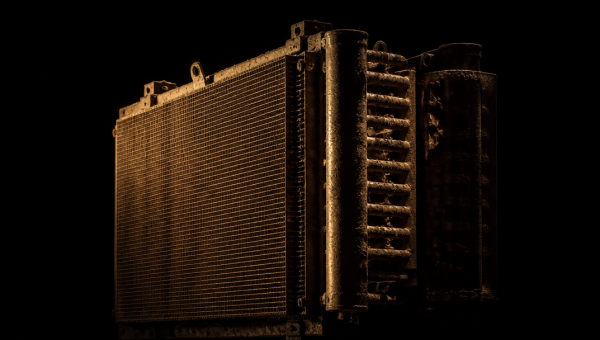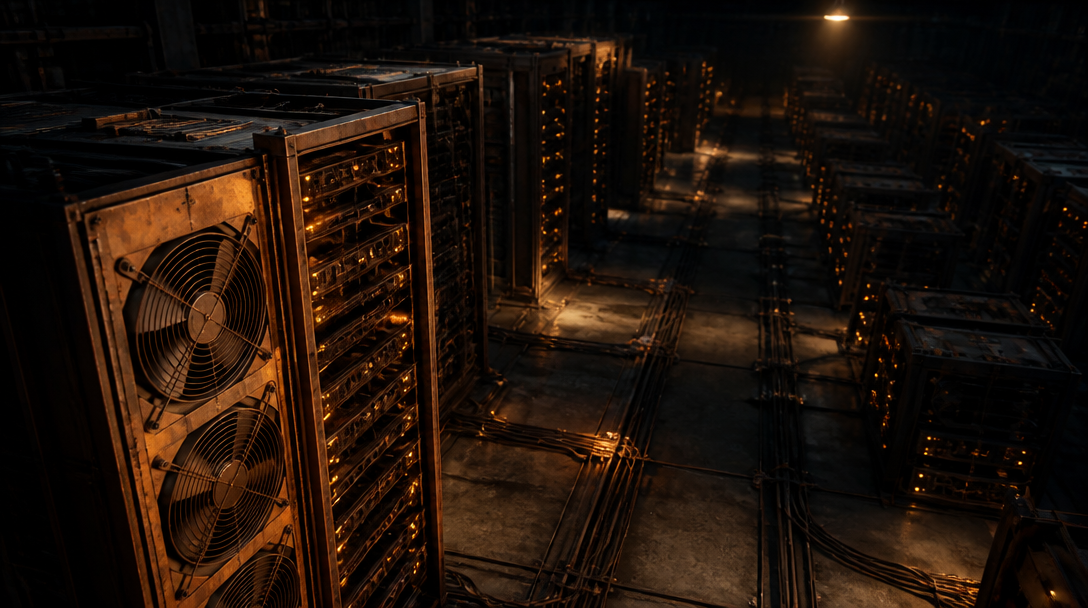
Node NBO, a physical Bitcoin, energy, and compute hub, opened in Nairobi on May 16, 2026, positioning Africa as a serious contender in Bitcoin infrastructure development. The facility in Gigiri combines co-working space with three specialized labs—energy, Bitcoin mining, and AI compute—plus a 150-person event space. Partners include Gridless (renewable energy mining), Fedi (freedom tech), BTrust (Bitcoin development), and the Human Rights Foundation.
Why Nairobi Became Bitcoin Infrastructure Ground Zero
Node NBO is not a trading desk or venture fund. It is a physical space designed to co-locate companies solving overlapping hard problems. Erik Hersman, Gridless co-founder, framed the need directly: “We needed a place where people who are working on hard things can come into proximity with each other, especially when there’s overlapping areas that need specialization.”
The location matters. Gigiri sits near UN headquarters in northern Nairobi, making it accessible to international visitors and organizations. Gridless has operated for four years before the hub’s launch, building credibility in renewable energy Bitcoin mining across East Africa. The facility runs entirely on solar power via Gridless infrastructure, turning the hub itself into a proof-of-concept for sustainable compute operations.
Three Labs Target Bitcoin’s Missing Pieces
The energy lab focuses on renewable energy integration for Bitcoin mining. The Bitcoin mining lab provides hands-on infrastructure for developers and operators. The AI compute lab addresses broader compute demands beyond mining alone. Monthly BitDevs Nairobi meetings and quantum computing research sessions are already scheduled.
Obi Nwosu, Fedi CEO, emphasized the synergy: “We couldn’t be more excited to be part of Node NBO. There’s so much synergy already happening between the companies and organizations involved.” His second point cuts deeper: “With Bitcoin and other freedom technologies, people need the internet to use them.” This framing connects the hub’s infrastructure play to SateNet, a satellite internet project providing low-cost, high-speed connectivity via Bitcoin payments in underserved areas like Kibera and Mossel Bay.
Africa’s Infrastructure Bet Challenges Global Playbook
Node NBO represents a shift in how Bitcoin infrastructure gets built outside the U.S. and Europe. Rather than venture-backed startups in San Francisco, this model clusters physical operations—mining, compute, internet—with development organizations and human rights groups. BTrust and HRF’s involvement signals that Bitcoin adoption in Africa is tied explicitly to financial sovereignty and censorship resistance, not speculation.
The renewable energy angle is material. Bitcoin mining typically consumes massive grid power. Gridless’s model inverts this: use stranded solar capacity in East Africa to mine Bitcoin profitably while avoiding grid strain. Node NBO makes this visible.
Next Steps: From Soft Launch to Operations
Node NBO’s May 16 soft launch marks the beginning, not the conclusion. Membership costs, operational timelines, and funding details remain undisclosed. The hub’s success depends on whether monthly meetings translate into concrete projects and whether the three labs attract serious developers and operators from across Africa and beyond.