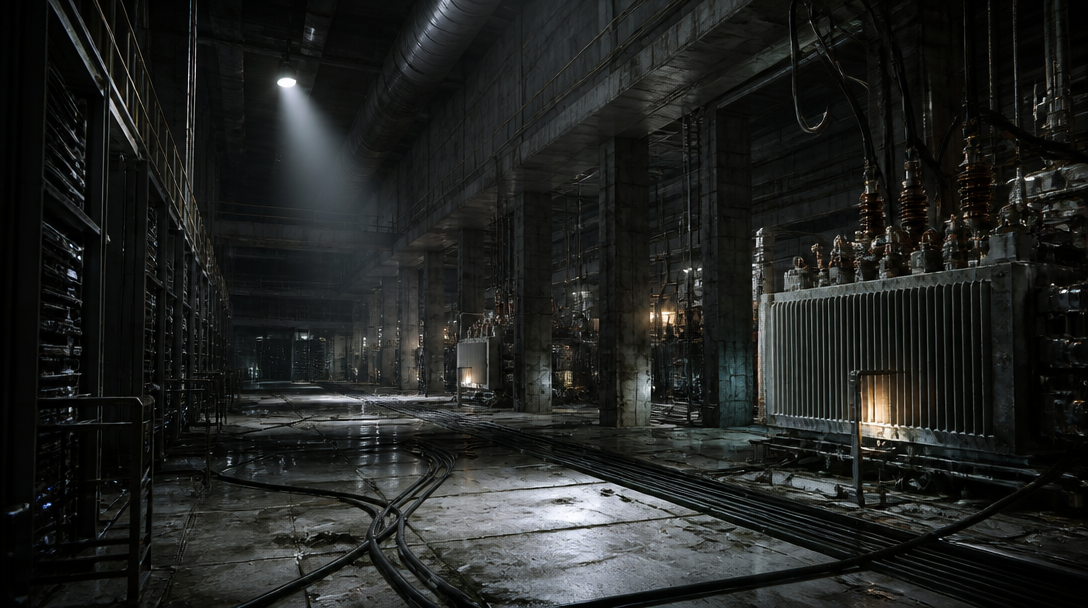
Bitcoin miners are repositioning themselves as critical infrastructure providers for artificial intelligence development, according to analysis from Bernstein. The shift reflects miners’ ability to monetize computational resources and energy infrastructure beyond cryptocurrency block rewards. As AI demand for compute power accelerates, miners possess existing hardware deployments and power arrangements that position them as viable alternatives to traditional data center operators.
Miners Control Compute and Energy Assets
Bitcoin miners operate some of the world’s largest concentrations of computational hardware and long-term power contracts. These assets, traditionally dedicated to cryptocurrency mining, represent significant infrastructure that can be redirected or repurposed for AI workloads. Bernstein’s analysis identifies this dual-use potential as a competitive advantage. Unlike new entrants to the AI infrastructure space, miners already control the physical layer—data center real estate, GPU and ASIC clusters, and negotiated energy supplies at scale. This existing infrastructure provides miners with lower capital barriers to entry into AI services compared to building compute facilities from scratch.
Monetization Beyond Block Rewards
The convergence of mining and AI infrastructure signals a fundamental shift in miner business models. Rather than relying solely on Bitcoin block rewards and transaction fees, miners can now generate revenue by leasing or operating compute capacity for AI applications. This diversification reduces exposure to cryptocurrency market volatility and mining difficulty cycles. Bernstein’s research suggests miners view AI infrastructure as a natural extension of their existing operations. The ability to aggregate compute resources across multiple mining facilities creates economies of scale unavailable to smaller operators. Miners can offer consistent uptime, redundancy, and power stability—critical requirements for AI model training and inference at enterprise scale.
Structural Advantage in AI Economy
The positioning of miners as infrastructure providers reflects broader consolidation in the AI compute market. Large language models and diffusion-based systems require enormous computational capacity, creating bottlenecks in global chip supply and data center availability. Miners with established power infrastructure and cooling systems can address these constraints more efficiently than conventional providers. This infrastructure advantage extends beyond compute—miners control energy procurement relationships that determine operational costs. As AI companies compete for reliable, low-cost compute resources, miners’ existing power contracts and operational expertise become strategic assets. The trend also suggests miners may capture margin across the stack, from hardware provisioning through power management to compute services.
Next Phase: Infrastructure Consolidation
The Bernstein analysis positions miners at an inflection point where cryptocurrency infrastructure and AI infrastructure converge. Whether miners formalize partnerships with AI companies, operate dedicated AI divisions, or lease capacity to multiple clients remains unclear. What is certain: miners control physical assets increasingly valuable to sectors beyond crypto. The next phase will determine whether miners become embedded infrastructure providers for AI or remain primarily cryptocurrency validators with secondary revenue streams.