Crypto markets face a convergence of regulatory, technical, and macroeconomic catalysts this week as the Federal Reserve undergoes a leadership transition and Base blockchain deploys its Azul upgrade. Bitcoin held at $80,814.36 as a Senate procedural vote on Kevin Warsh’s Federal Reserve nomination takes place May 11, while Jerome Powell’s term as Fed Chair officially ends May 15. The timing amplifies focus on inflation data releases and institutional capital flows into digital assets amid what industry analysts describe as a shift toward sustainable yield models over speculation.
Fed Leadership Change Shapes Market Backdrop
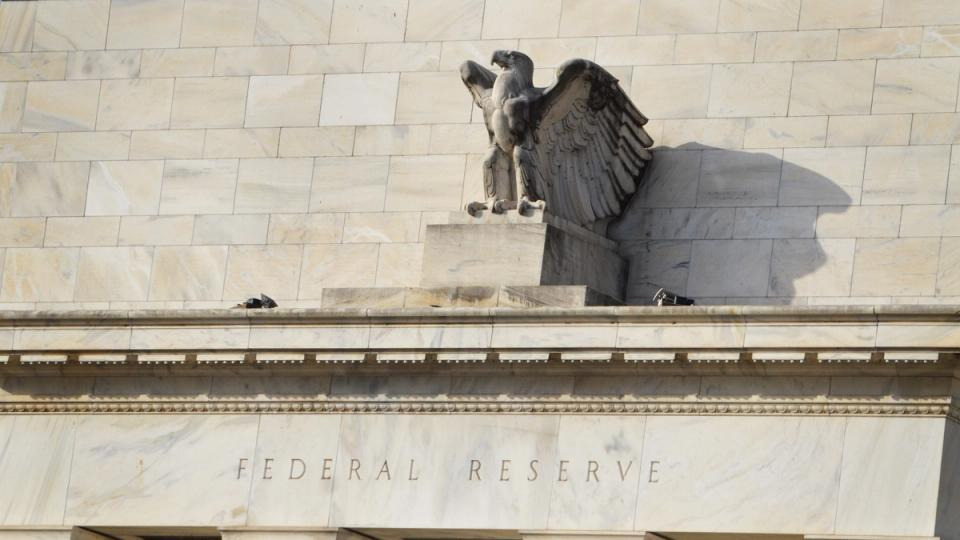
Jerome Powell’s tenure as Federal Reserve Chair concludes May 15, marking a significant inflection point for monetary policy and broader macroeconomic conditions affecting crypto liquidity. A Senate procedural vote on Warsh’s nomination occurs May 11, with the Banking Committee expected to advance the Digital Asset Market Clarity Act on May 14, signaling potential regulatory clarity for the sector. Inflation data from Germany (2.9% YoY estimated), India (3.8% YoY estimated), and the U.S. (0.6% MoM estimated for headline CPI) release May 12 will shape expectations for future rate policy. Jake Seltzer, CEO of Quantix Finance, noted that institutional allocators previously on the sidelines are now monitoring Bitcoin’s strength as a confidence signal for broader digital asset adoption.
Base Azul Launch and Cross-Chain Migration Momentum
Base blockchain launches its Azul mainnet upgrade May 13, concurrent with U.S. Producer Price Index data release and the start of industry conferences. Separately, Ronin blockchain migrates to Ethereum on May 12, reflecting broader cross-chain consolidation trends. Multiple DAO governance votes conclude this week: 1inch DAO (voting ends May 11 with $155,000 USDC allocation), Balancer DAO (May 12 with 500,000 USDC airdrop), and ShapeShift DAO (May 13, addressing Treasury Signer compensation at $1,000/month FOX). Compound DAO contributed 1,860 ETH toward DeFi initiatives. These governance actions signal active treasury management amid unlock events: AVAX (0.31% circulating supply, $16.55 million) unlocks May 12, followed by CONX (1.49%, $17.99 million) and ARB (1.71%, $13.23 million).
Institutional Capital Favors Infrastructure Over Narratives
Market sentiment has shifted decisively toward sustainable infrastructure and risk management rather than short-term narratives, according to Seltzer. He emphasized that liquidity is becoming “more selective rather than purely speculative” as capital flows increasingly favor platforms with actual yield models. U.S. retail sales, jobless claims, and Industrial Production data releases May 14-15 will influence broader risk appetite. Crypto earnings season overlaps this data cascade, with companies including MARA, CLSK, CRCL, and EXOD reporting May 11. Seltzer noted that while near-term volatility remains likely due to macro conditions and ETF flows, structural health in the industry feels materially stronger than previous cycles, particularly regarding institutional participation.
Regulatory Clarity and Unlock Events Set Week’s Trajectory
The Digital Asset Market Clarity Act markup May 14 represents a potential inflection point for regulatory frameworks around digital assets. Multiple token unlock events totaling over $47 million in circulating supply releases occur May 12-13, adding supply-side pressure. Bitcoin mining pools collectively control 75% of hashrate, maintaining network stability amid volatility. China economic data releases May 17 will conclude the week’s macro calendar. Warsh’s Fed nomination outcome and Powell’s final week as Chair will establish the tone for monetary policy continuity and its cascading effects on crypto market conditions.