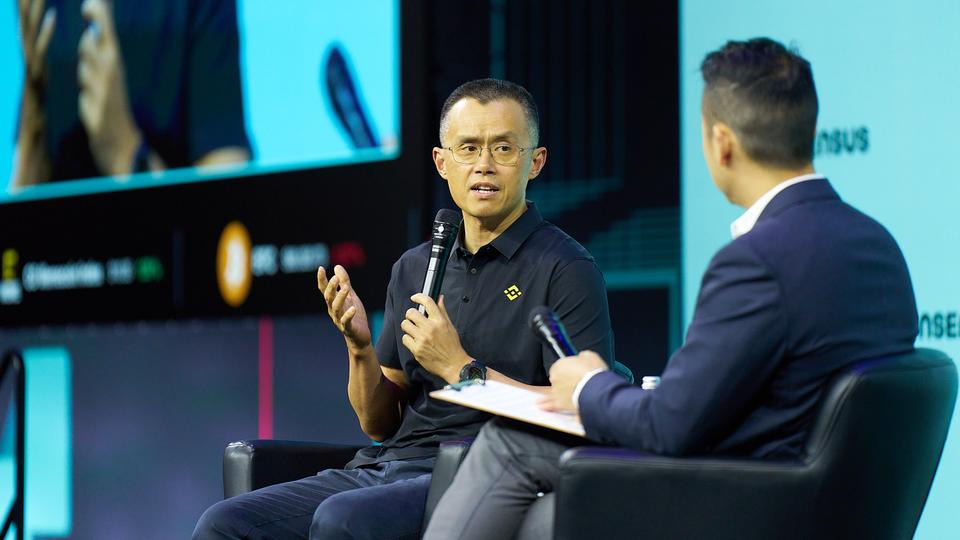
Changpeng “CZ” Zhao, Binance founder, floated reviving Binance.US at Consensus Miami on May 7, 2026, signaling a potential return to the U.S. market after years of regulatory exile. Speaking publicly for the first time since his presidential pardon, CZ highlighted a structural disadvantage facing American crypto traders: the best liquidity in digital assets trades outside U.S. borders. Binance.US, dormant for years, could be the vehicle to reconnect U.S. users to global price discovery and deeper order books.
Why U.S. Crypto Users Lack Global Liquidity
CZ framed the problem in stark terms: “Crypto is one of the very few markets that U.S. don’t have access to the best prices.” This gap emerged after Binance shut down its U.S. subsidiary in 2023 under regulatory pressure, leaving American traders fragmented across smaller exchanges with thinner liquidity pools. Binance itself maintains the world’s largest crypto order books, but U.S. citizens cannot legally access them. The liquidity differential translates to worse execution, wider spreads, and slower settlement for U.S.-based traders compared to peers in Europe and Asia. CZ’s statement reflects a conviction that this structural disadvantage is unsustainable.
Binance.US Under New Leadership and Expanded Mandate
Binance.US, currently led by CEO Stephen Gregory, has been charting expansion into derivatives and prediction markets as part of its repositioning strategy. The regulatory environment shifted measurably over the past 18 months, with legislation like the CLARITY Act creating clearer guardrails for exchange operations. CZ’s public backing of a Binance.US revival—whether through relaunch or acquisition of the existing entity—signals confidence in this improved policy backdrop. He stated: “We would love to be able to provide that in some way, either revitalize Binance.US or somehow provide U.S. the best liquidity in the world.” No formal timeline or regulatory approval pathway has been disclosed.
BNB Chain Positioned as Infrastructure for AI Payments
Beyond Binance.US, CZ pivoted the conversation to BNB Chain’s role in crypto infrastructure. He argued that BNB Chain should become “the money for agents,” positioning the blockchain as native payments rail for autonomous AI systems. This framing reflects a broader industry shift: developers previously fled the U.S. for jurisdictions like Abu Dhabi, Hong Kong, and Singapore but are now returning as policy improves. YZi Labs, CZ’s rebranded investment firm, deployed a $1 billion fund last year to accelerate BNB Chain adoption. CZ’s comment on credit cards—”Credit cards don’t have an API”—underscores blockchain’s architectural advantage for programmatic, agent-to-agent transactions without intermediaries.
What Comes Next for U.S. Crypto Access
A functioning Binance.US with genuine global liquidity would fundamentally reshape U.S. retail crypto trading. The announcement remains conditional—CZ has not confirmed a hard launch date, and regulatory approval remains uncertain. Binance.US under Stephen Gregory must navigate compliance frameworks that did not exist during the original shutdown. The macro tailwind is real: improved policy sentiment, returning developer talent, and institutional interest in crypto infrastructure. Execution is another question entirely.