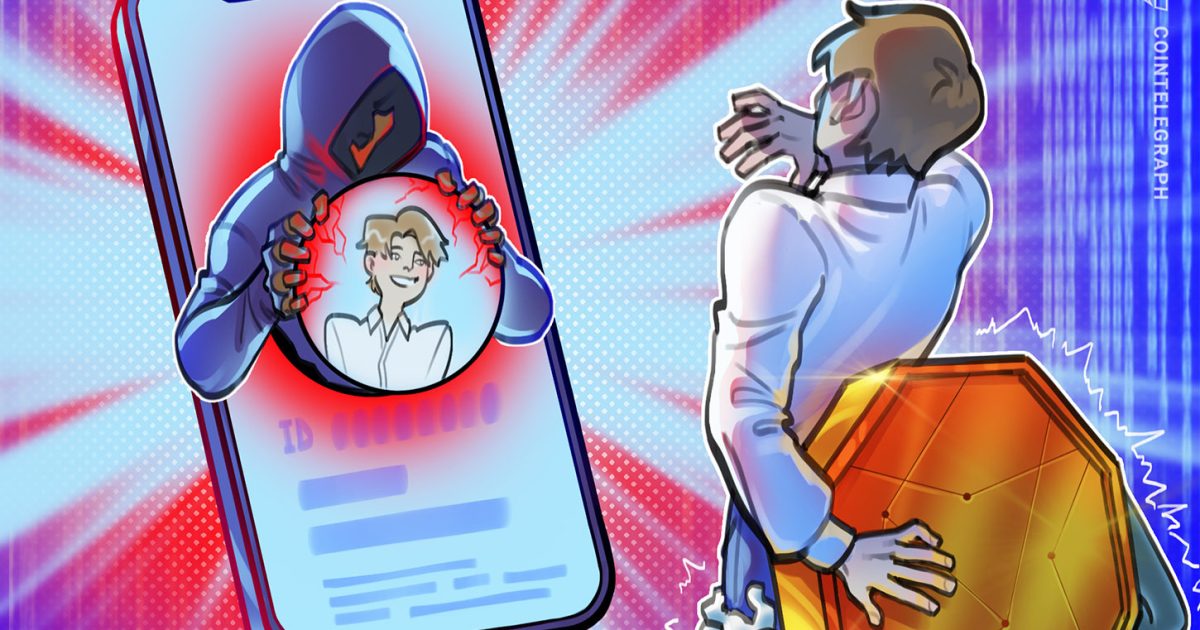
Near One warns that quantum computing poses a dual threat to blockchain networks that extends far beyond cryptographic key compromise. In a May 7, 2026 analysis, the Layer-1 protocol development team flagged a critical vulnerability: even if quantum attacks break wallet keys, blockchain systems lack mechanisms to verify legitimate asset ownership. The concern surfaces as Google and Caltech researchers announced in March 2026 that functional quantum computers could arrive sooner than previously modeled, potentially breaking Bitcoin’s elliptic curve cryptography in roughly 10 minutes.
Quantum Attacks Create Ownership Verification Gap
The quantum threat to blockchain operates on two fronts. First, quantum computers could break the cryptographic algorithms protecting private keys. Second, and more urgent, blockchain protocols have no built-in system to distinguish legitimate owners from attackers once keys are compromised. Anton Astafiev, Chief Technology Officer at Near One, framed the dilemma starkly: “We won’t be able to tell if someone running a transaction is the rightful owner of the asset or not.”
This gap forces protocols into an impossible choice. As Astafiev explained, “Protocols will face the challenge of deciding to either block all assets at this moment, or enter a wild west.” The issue affects all major networks. Bitcoin, Ethereum, and Solana currently rely on cryptographic signatures to verify ownership. Quantum attacks that compromise those signatures would create cascading uncertainty about asset legitimacy across the entire ecosystem. NEAR Protocol currently secures $137.6 million in user funds, making the ownership verification problem immediately material.
Racing Against Quantum Timeline Uncertainty
The timeline for quantum threats remains contested. Google and Caltech’s March 2026 announcement suggested quantum computers capable of breaking blockchain cryptography could arrive sooner than the 10-year estimates that dominated industry planning. Blockstream CEO Adam Back countered in April 2026 that current quantum systems are “basically lab experiments” and remain decades away from practical attacks. Despite the disagreement, major protocols are implementing post-quantum defenses.
NEAR is building a proof-of-ownership verification system alongside post-quantum cryptography. The protocol plans to launch FIPS-204 signing on its testnet by end of Q2 2026. Ethereum Foundation established a dedicated Post-Quantum Ethereum team targeting protocol-level solutions by 2029. Solana is testing Falcon signature solutions through its Anza and Firedancer validator clients. The staggered timelines reflect genuine uncertainty about when quantum computers will pose an immediate threat.
Post-Quantum Standards Face Implementation Hurdles
The US National Institute of Standards and Technology (NIST) is advancing post-quantum cryptographic standards, but implementing them across decentralized networks creates coordination challenges. Protocols must balance cryptographic upgrades with ownership verification mechanisms—a problem that extends beyond mathematical solutions into governance and consensus design. Astafiev emphasized that “research across blockchain ecosystems is essential and valuable as everyone prepares for quantum unknowns,” signaling that no single protocol can solve the problem in isolation.
Ownership Verification Remains Unresolved
While post-quantum cryptography offers a technical path forward, the ownership verification question remains unanswered. Protocols have not disclosed how they would decide to freeze compromised wallets, verify legitimate owners, or distribute recovered assets. The absence of clear ownership standards across blockchain ecosystems leaves a critical gap in quantum-readiness planning. NEAR’s May 2026 warning appears designed to accelerate industry-wide discussion on this overlooked vulnerability.