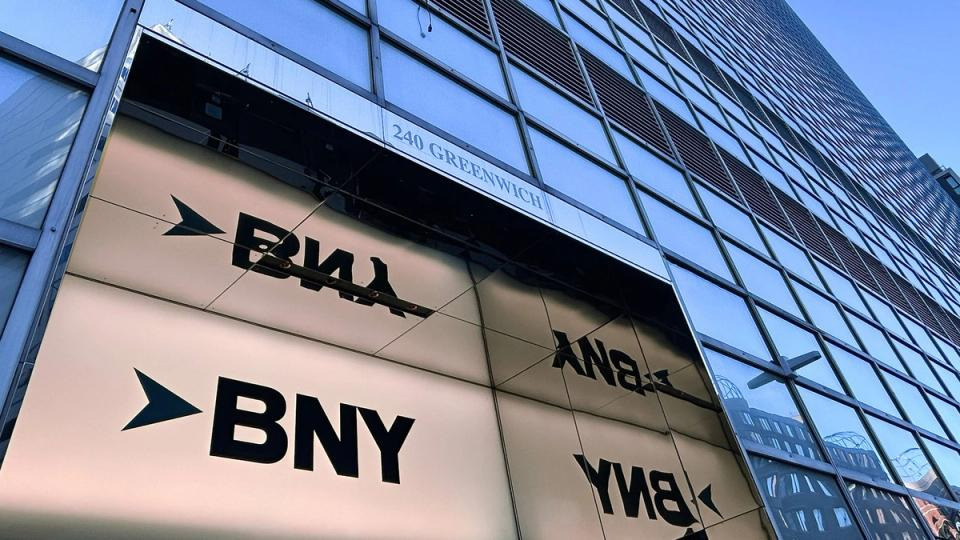
BNY, the world’s largest custody bank managing $59 trillion in assets, is launching digital asset custody services in Abu Dhabi through partnerships with Finstreet and ADI Foundation. The move marks the first major U.S. systemically important bank to establish institutional-grade crypto custody in the UAE, initially covering bitcoin and ether with plans to expand into stablecoins and tokenized assets. The announcement comes as Abu Dhabi positions itself as a hub for digital finance infrastructure.
Why BNY Is Moving Into Abu Dhabi Now
The UAE has become a magnet for institutional crypto activity. Abu Dhabi and Dubai have attracted major exchanges, stablecoin issuers, and tokenization platforms through clear regulatory frameworks and free zone incentives. BNY’s executive vice chair Hani Kablawi stated the bank sees the UAE entering “a new phase of financial development, characterized by deeper markets, greater digital sophistication and stronger global connectivity.” The timing aligns with April’s announcement that the Islamic Development Bank (IHC) unveiled plans for a dirham-backed stablecoin, signaling serious momentum toward digital currency infrastructure in the region.
BNY’s Custody Play in the Tokenization Shift
BNY’s initial focus on bitcoin and ether reflects institutional demand for secure onboarding into crypto markets. The custody services operate through Abu Dhabi Global Market (ADGM), the emirate’s financial free zone, leveraging Finstreet and ADI Foundation as local partners to navigate regulatory requirements. Tokenization itself—the conversion of assets into blockchain-native instruments—enables faster settlement, efficient collateral management, and lower operational costs. BNY’s roadmap to stablecoins and tokenized assets positions the bank to capture demand from institutions looking to bridge traditional and digital financial ecosystems.
What This Means for Institutional Adoption
BNY’s entry into Abu Dhabi custody signals confidence that institutional digital asset services are maturing beyond speculation. As a systemically important bank with deep capital markets infrastructure, BNY’s involvement legitimizes custody-as-critical-infrastructure for traditional finance. This is particularly significant for the Middle East, where oil-backed economies are actively exploring digital asset strategies. The partnership model—relying on local firms like Finstreet and ADI Foundation—suggests BNY intends to scale across the region while respecting local regulatory frameworks.
Next Steps and Open Questions
BNY has not disclosed specific launch dates, partnership financial terms, or required regulatory approvals. The roadmap to stablecoins and tokenized assets remains undefined. Market observers should monitor ADGM’s regulatory guidance on digital asset custody and whether other major global custodians follow BNY into the UAE market. The announcement demonstrates institutional infrastructure is moving faster than retail adoption in the Middle East.