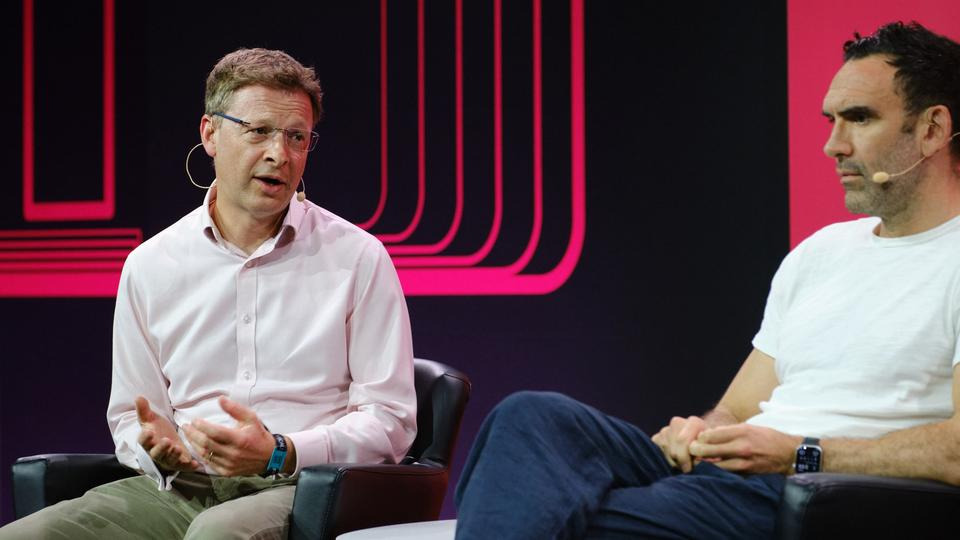
State Street’s head of digital assets called for immediate improvements to blockchain security infrastructure before institutional capital floods decentralized finance, citing April 2026 as a turning point. Angus Fletcher used a Consensus Miami keynote on May 5 to highlight two major protocol exploits that month—Drift Protocol’s $295 million hack and a similarly sized attack on KelpDAO—as evidence that current guardrails cannot support the scale institutions require.
April’s DeFi Exploit Streak Signals Systemic Risk
Drift Protocol suffered a $295 million exploit in early April, followed by KelpDAO’s comparable attack later that month. Fletcher characterized April as “probably the month that has so far seen the most hacks in DeFi,” underscoring the vulnerability of protocols handling meaningful capital. The timing proved critical: as institutions evaluate on-chain settlement and tokenized real-world assets (RWAs), these breaches exposed gaps in protocol design and operational security that custodians and risk managers cannot overlook. State Street’s intervention reflects the custodial banking sector’s gatekeeping role—major institutions will not move trillions into DeFi without demonstrable security maturity.
Cross-Chain Legal Clarity Remains Unresolved
Fletcher raised a fundamental question institutional adoption cannot sidestep: “What are the things we actually need to solve now for a future where we’ve got trillions of dollars worth of activity on-chain?” His focus extended beyond protocol security to legal infrastructure. “There has to be an understanding of what is the legal title and legal right when you have a token on one chain versus on another, on a cross chain basis,” Fletcher stated. This gap spans jurisdictional recognition, collateral treatment across networks, and settlement finality. Dennis Bree, head of institutional at Morpho—a lending protocol managing $10-15 billion in assets under management from curators—echoed the concern: institutions need clarity on “the security vectors, the underlying assets that are used as collateral.”
Morpho and Institutional Protocols Face Credibility Test
Morpho’s $10-15 billion AUM positions the protocol as a bridge between DeFi and traditional finance, yet April’s hacks threatened institutional confidence in the entire sector. Bree’s emphasis on understanding collateral security vectors signals that protocols must move beyond yield optimization to transparent risk frameworks. State Street’s public stance—delivered at a major industry conference—legitimizes institutional skepticism and pressures protocol developers to adopt formal security audits, insurance mechanisms, and operational standards matching traditional custodial requirements.
Guardrails Before Scale
Fletcher’s message was unambiguous: solve security and legal infrastructure now, or face institutional rejection later. No timeline for specific solutions emerged from the keynote. The onus falls on DeFi protocol teams, auditing firms, and potentially regulators to define standards for cross-chain asset custody, collateral accounting, and exploit recovery mechanisms. Until then, the move from billions to trillions in on-chain assets will remain speculative.