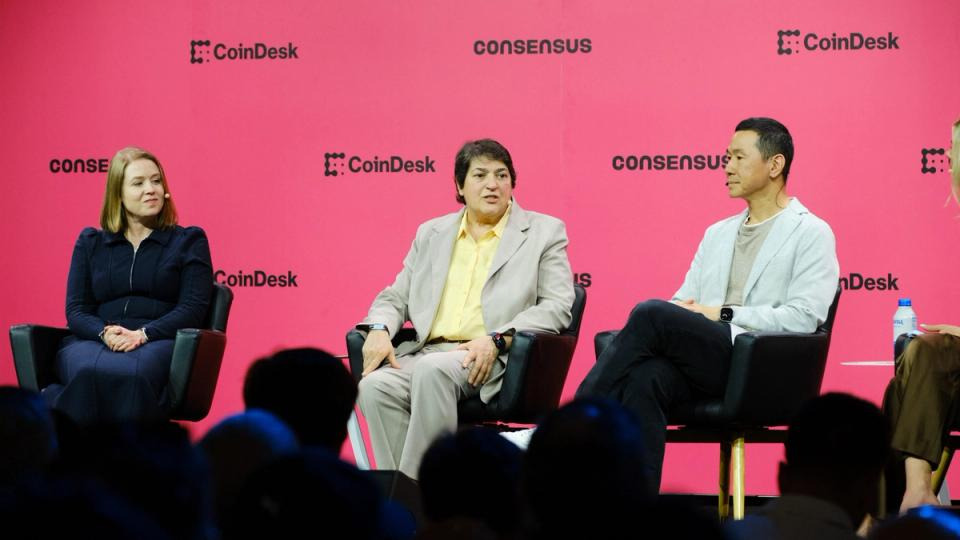
Executives from Citigroup, JPMorgan, and the Depository Trust & Clearing Corporation stated at Consensus 2026 that blockchain-based tokenization will enhance rather than replace existing banking infrastructure, with institutional clients now processing real production volumes at scale. The shift marks a transition from experimental pilots to operational systems handling billions of dollars across treasury, collateral management, and settlement functions.
From Millions to Billions: Tokenization Enters Production
Citigroup’s tokenized deposit system, which processed millions in volume a year ago, is now handling billions, according to Ryan Rugg, digital assets lead for Citi’s treasury and trade solutions. JPMorgan’s Kinexys blockchain platform has processed over $1 trillion in transactions, while the Depository Trust & Clearing Corporation is preparing to layer digital asset infrastructure onto its $150 trillion securities backbone. These are not theoretical exercises. Institutional clients are moving real money through these systems daily, outside traditional banking hours and settlement windows.
Evolution, Not Disruption: Wall Street’s Consensus View
The Wall Street consensus emerging from the Miami panel was unambiguous: tokenization improves existing systems rather than dismantling them. Nadine Chakar, head of digital assets at DTCC, stated that “you can’t just replace what exists. This is an evolution.” She emphasized that intermediaries will remain essential, noting “we will always need some level of intermediation.” The efficiency gains are concrete. Tokenized systems enable 24/7 settlement, instant margin calls, and real-time cross-border payments—capabilities traditional infrastructure cannot match. Kara Kennedy, market development lead for JPMorgan digital assets, reinforced this stance during the panel discussion.
The Crypto-Native Counter: Structural Change Ahead
Evan Auyang, president of Animoca Brands, offered a longer-term perspective. He argued that “the nature of blockchain is that it’s transformative” and suggested that full onchain markets will eventually emerge. However, he acknowledged pragmatic adoption dynamics: “If there’s efficiency and cost savings, it will be adopted.” This reflects a wider tension in tokenization debates—whether blockchain represents incremental improvement or foundational restructuring. The evidence to date suggests both are true sequentially: incremental gains drive adoption now; structural implications emerge later.
Next Phase: Scale and Regulatory Clarity
The shift to production volumes raises immediate questions about regulatory compliance, client confidentiality, and timeline for broader rollouts. DTCC has not disclosed a specific launch date for its $150 trillion digital infrastructure layer. Regulatory constraints and technical interoperability standards remain unresolved. The convergence of traditional finance and decentralized systems is accelerating, but the pace and scope of adoption will depend on how quickly institutions standardize tokenized asset formats and how regulators codify digital settlement rules.