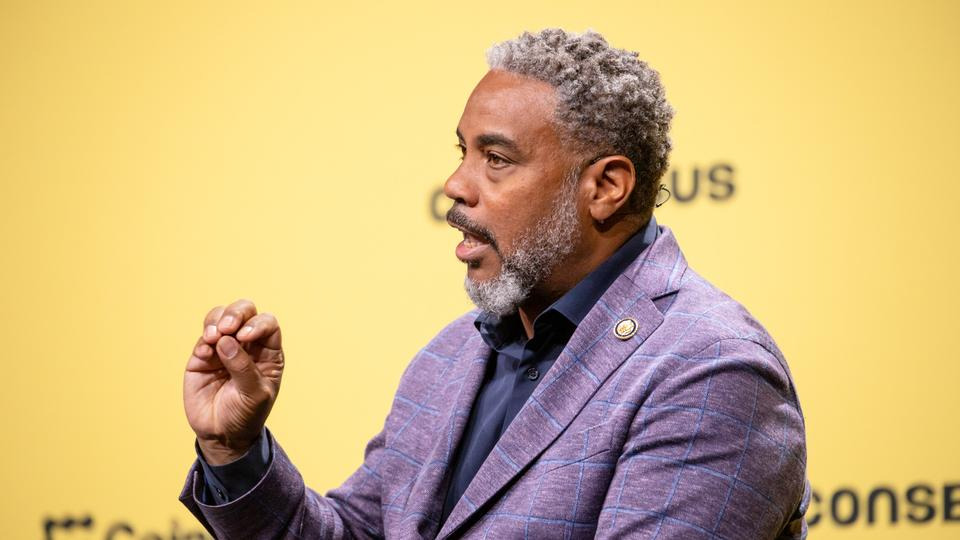
Rep. Steven Horsford pitched the bipartisan PARITY Act as a narrow, durable foundation for crypto tax policy at Consensus Miami on May 5, arguing that incremental reform beats comprehensive overhauls while Senate negotiations on the competing CLARITY Act remain stalled. The Nevada Democrat and co-author, alongside Ohio Republican Rep. Max Miller, framed the bill as deliberately limited in scope to avoid legislative overreach.
Incremental Strategy Over Comprehensive Reform
Horsford positioned PARITY as a “durable floor, not the last word” on crypto taxation. The bill establishes three core provisions: a stablecoin-payments cost-basis test, a five-year tax-deferral election for staking and mining rewards, and an extension of wash-sale rules to digital assets. Horsford stressed that narrow bills reduce the risk of unintended consequences that become difficult to reverse. He rejected the comprehensive approach favored by some lawmakers, including Sen. Cynthia Lummis’s alternative proposal, warning that rushing broader legislation could create problems “you won’t be able to fix later.” Horsford also emphasized bipartisan intent, stating “no one party should own crypto.”
Senate Stalemate Shifts Focus to House
The CLARITY Act negotiations between Sen. Thom Tillis and Sen. Angela Alsobrooks remain on hold with no official timeline for resolution. This stall has effectively shifted momentum to the House, where PARITY gained revised language in March 2026 following its initial December 2025 draft. The Senate deadlock leaves no competing framework actively advancing through committee. Horsford’s public pitch at Consensus—a major industry conference—signals the House strategy to build grassroots and industry support while Senate counterparts negotiate behind closed doors. The absence of a competing bill in motion gives PARITY clearer legislative air cover.
Wealth Gap and Retirement Account Access
Horsford identified digital asset access in retirement accounts as critical to addressing wealth inequality, though he acknowledged the provision is absent from current PARITY drafts. This gap reflects ongoing internal negotiation within the bipartisan coalition. The five-year deferral on staking rewards alone would materially reduce tax friction for active participants in proof-of-stake networks. Horsford’s emphasis on retirement access signals future iterations may expand scope, but only if Senate and House alignment permits. His framing of crypto taxation as a wealth-building tool, not merely a compliance issue, positions the debate beyond pure tax mechanics.
What Happens Next
PARITY has no announced hearing date before the Senate Banking Committee. Horsford’s public defense suggests the bill is being shaped for broader House floor consideration before Senate action. The CLARITY Act’s continued stall means no alternative framework is competing for oxygen. Industry reception at Consensus may accelerate House movement, but Senate gridlock remains the hard constraint. The May 5 pitch marks a tactical shift toward public advocacy—a sign that behind-closed-doors negotiation has plateaued.