A CoinDesk survey of 1,000 U.S. voters reveals a stark trust gap between traditional finance and digital assets: 65% of Americans say banks provide better financial access, while only 5% credit crypto with the same capability. The findings, released May 3, 2026, underscore persistent skepticism toward a sector that has existed for nearly two decades, even as Congress debates regulatory clarity and the Trump administration signals support for crypto integration.
Public Skepticism Outweighs Crypto’s Maturity
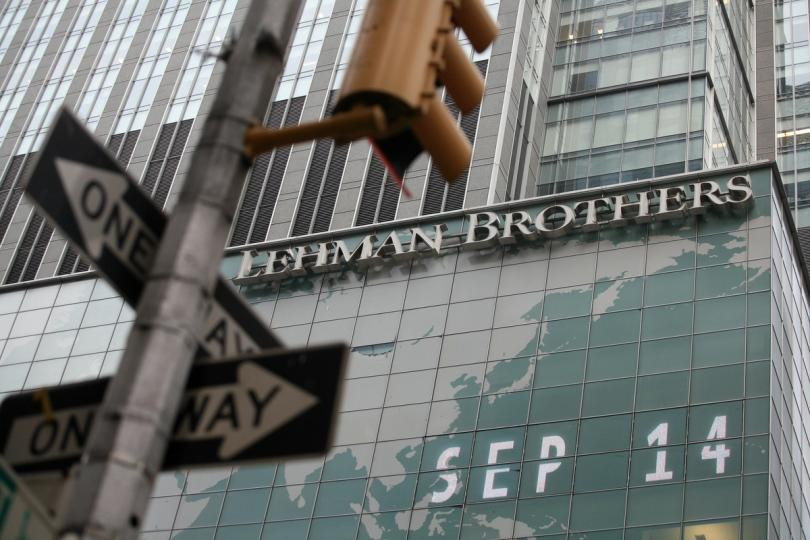
Despite crypto’s 18-year track record since the 2008 financial crisis, American confidence in digital assets remains fragile. Sixty percent of survey respondents believe crypto will be a negative economic force. However, 52% acknowledge crypto is more than a passing fad, suggesting awareness of its staying power without conviction in its benefits. Public Opinion Strategies, which conducted the research, found that 53% of respondents formed less favorable views of crypto after recent news coverage, indicating that media narrative directly shapes sentiment. Only 27% of Americans have invested in crypto at all, and just 2% hold more than $10,000 in digital assets.
Investor Base Remains Niche as Sentiment Splits
The survey reveals three distinct voter segments: 46% have no crypto involvement and express no interest; 27% have not invested but remain open to it; and 27% are active investors. Among crypto holders, enthusiasm for emerging technologies diverges sharply from the general public. Sixty-four percent of crypto owners say the pursuit of artificial intelligence is worth its risks, compared to just 55% of all respondents who believe AI benefits outweigh dangers. This indicates a demographic correlation between risk tolerance and asset class adoption.
Bank Lobbying Stalls Digital Asset Clarity Act
The Senate’s Digital Asset Market Clarity Act has stalled in recent months as the banking industry opposes provisions that would allow stablecoin rewards to compete with traditional deposit accounts. Banks argue that crypto products threaten their lending models and deposit bases. However, sources indicate the Clarity Act is expected to move forward in coming days as the Trump administration pledges faster action on digital asset mainstream integration. The political context matters: older Americans (45+) show the most distrust of crypto, while males, Republicans, and minority groups demonstrate the strongest affinity for digital assets ahead of the 2026 midterm elections.
Regulatory Momentum vs. Public Doubt
The gap between policy momentum and public confidence presents a challenge for crypto advocates. CoinDesk will release full survey data at Consensus Miami on Tuesday, offering additional demographic detail. The SEC and other federal regulators face pressure to balance industry demands for clarity with voter skepticism about crypto’s economic role. Whether regulatory progress can shift public opinion remains unresolved as midterm campaigns intensify.