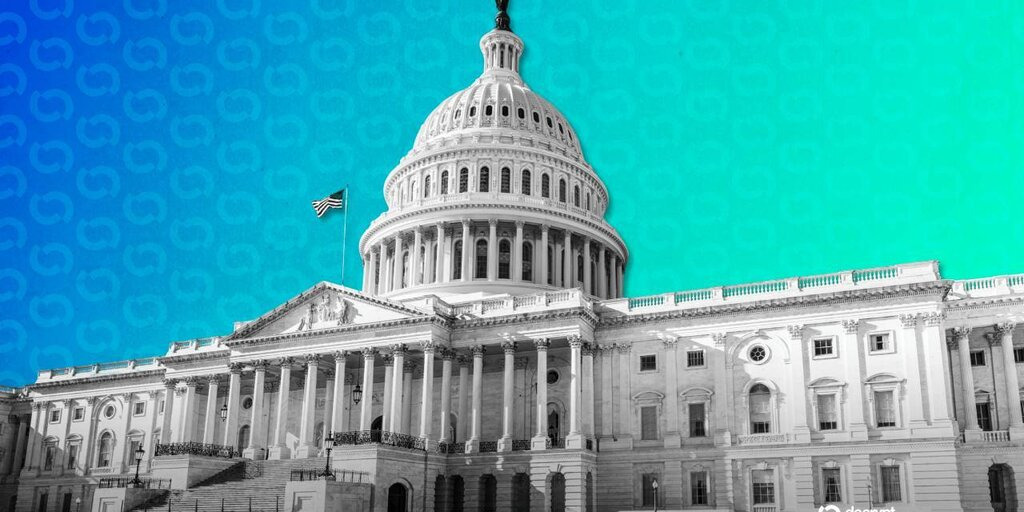
The U.S. Senate voted to prohibit senators and congressional staff from participating in prediction markets, closing a regulatory gap that allowed lawmakers to wager on political outcomes they could directly influence. The ban targets platforms enabling bets on elections, legislative votes, and policy decisions, treating such activity as a potential conflict of interest similar to insider trading restrictions already applied to stock markets.
Why Prediction Markets Posed an Ethics Problem
Prediction markets operate by aggregating user bets on future events, creating real financial incentives tied to specific outcomes. A senator voting on healthcare legislation could theoretically profit if that vote moves markets. Staff members with advance knowledge of legislative timelines or policy shifts face identical temptations. The absence of prior restrictions created a blind spot: while federal law prohibits lawmakers from trading stocks based on non-public information, no equivalent rule existed for political betting platforms. This asymmetry exposed the potential for lawmakers to monetize their institutional advantage in ways that stock trading rules were designed to prevent.
Political Betting Gains Mainstream Adoption
Prediction markets have expanded significantly in recent years, with platforms like Polymarket and others offering real-money contracts on political events. These markets have attracted institutional participation and mainstream media attention, particularly during election cycles and high-stakes legislative moments. The growing accessibility and liquidity of political betting created urgency around governance. As prediction market platforms matured and trading volumes increased, the absence of restrictions on congressional participation became increasingly conspicuous. The Senate’s action reflects recognition that unregulated participation by federal lawmakers posed reputational and ethical risks to both the legislature and the platforms themselves.
Broader Implications for Political Markets and Congressional Ethics
The ban signals stricter enforcement of ethics rules as digital markets proliferate. Congressional trading restrictions have historically focused on equity and derivatives markets; this extension to prediction markets establishes a new precedent. The move may accelerate similar restrictions in other legislatures and regulatory bodies. It also raises questions about whether broader restrictions on congressional participation in alternative markets—cryptocurrency derivatives, commodities futures, or other emerging asset classes—may follow. Prediction market operators will likely face pressure to implement identity verification and congressional screening mechanisms to comply with enforcement.
Implementation and Unanswered Questions
The Senate vote establishes the restriction, but enforcement mechanisms remain unclear. Effective date, penalty structures, and platform compliance requirements have not been detailed in available reporting. Prediction market platforms will need guidance on how to identify and exclude affected parties. The timeline for implementation and whether retroactive enforcement applies to existing accounts are unresolved. These operational details will shape how effectively the ban functions in practice.