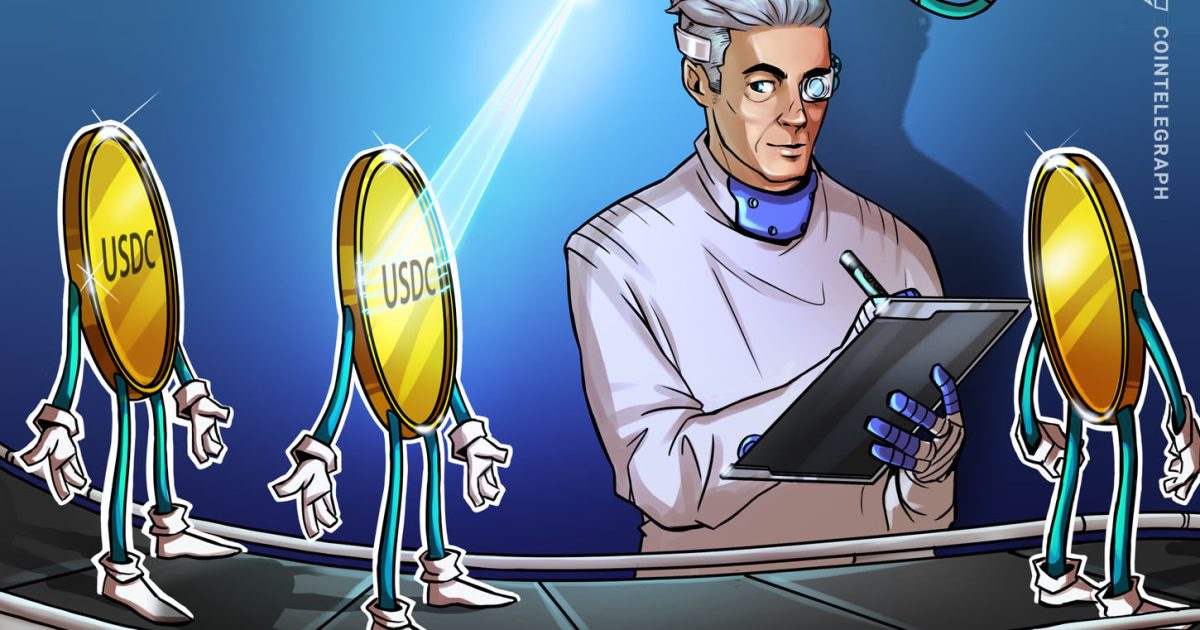
Meta launched USDC stablecoin payouts for creators in the Philippines and Colombia on Wednesday, April 30, 2026, marking the company’s most concrete crypto adoption move since abandoning its Diem project in 2022. Payments settle directly to creator wallets on Solana and Polygon blockchains, bypassing traditional payment rails entirely. The company plans to expand USDC payouts to 160+ additional markets, a significant departure from its previous stablecoin ventures that collapsed under regulatory pressure.
From Libra’s Collapse to USDC Pragmatism
Meta’s stablecoin ambitions began with Libra in 2019, a project that faced immediate regulatory backlash over privacy, antitrust, and financial stability concerns. The company rebranded the effort as Diem in 2022 but abandoned it entirely after federal regulators signaled the project “could not move ahead.” Silvergate Capital Corporation acquired Diem’s assets that same year. The shift to USDC—Circle’s existing stablecoin with $77.3 billion in market capitalization—represents a strategic pivot. Rather than building proprietary infrastructure, Meta now leverages established blockchain networks and proven stablecoin rails.
Creator Payouts Hit $3 Billion in 2025
Facebook creator payments reached $3 billion in 2025, a 35% year-over-year increase, providing immediate context for why Meta accelerated crypto settlement infrastructure. Direct stablecoin payouts eliminate intermediary fees and settlement delays inherent in traditional banking, particularly valuable in emerging markets where creator cash flow matters most. The Philippines and Colombia serve as initial testing grounds, but Meta’s 160+ market expansion roadmap signals ambitions to reach virtually every geography where creators operate. USDC’s market cap of $77.3 billion positions it as the second-largest stablecoin after USDT ($189.4 billion), making it a credible settlement vehicle for creator economics at scale.
Blockchain Infrastructure as Regulatory Workaround
By routing payments through Solana and Polygon rather than proposing a Meta-controlled stablecoin, the company sidesteps the regulatory machinery that killed Diem. Polygon noted that the arrangement gives “creators faster settlement with USDC while gaining access to dollar-denominated assets.” Creators must still use external exchanges to convert USDC to fiat currency—no built-in conversion exists—but the blockchain infrastructure itself handles the hard part: cross-border, permissionless settlement. This approach mirrors how other platforms have adopted crypto rails without directly operating them.
Execution Risk and Unresolved Timelines
Meta reserves the right to pay creators in an alternate method during “technical difficulties or unforeseen circumstances,” creating ambiguity around USDC guarantee. The specific number of eligible creators in the initial rollout remains undisclosed, as does the timeline for expanding to 160+ markets. Without direct Meta commentary, the strategy’s long-term commitment remains unclear. Still, the move signals that after years of regulatory defeat, Meta has found a way to embed blockchain payments into creator economics without fighting regulators directly.