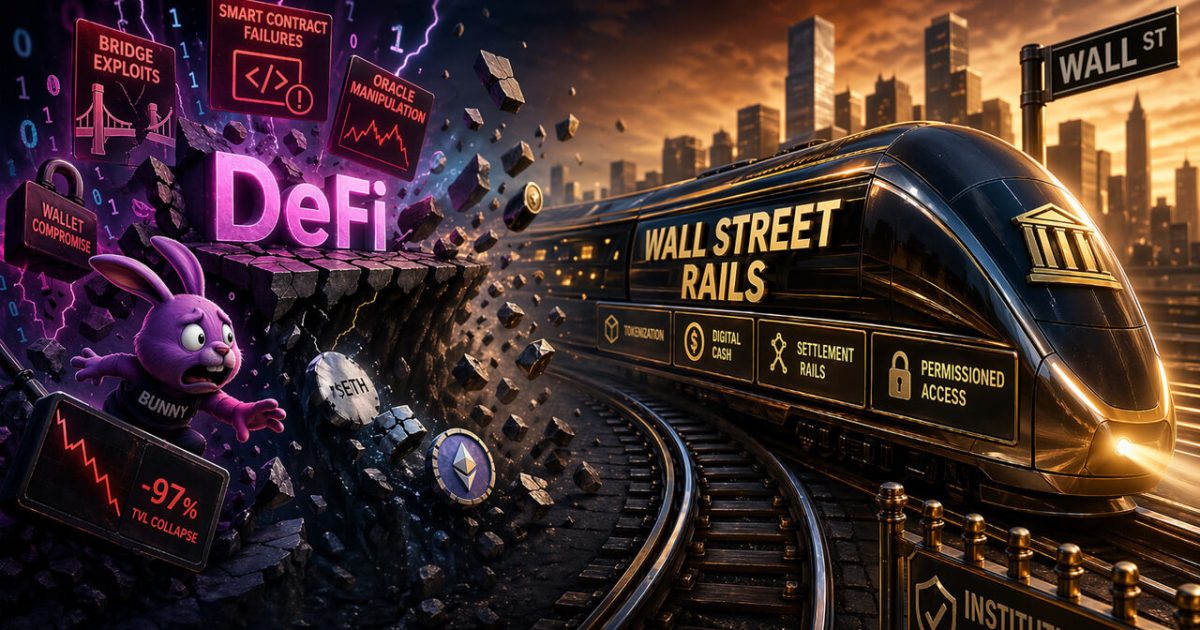
Decentralized finance (DeFi) losses have soared to alarming levels, now 8,500% higher than traditional finance (TradFi) breaches per dollar moved. This staggering statistic raises questions about the sustainability and security of DeFi, a sector built on principles of user control, transparency, and the reduction of intermediaries in financial services.
DeFi vs. TradFi: Financial Breaches Explored
The comparison between DeFi and TradFi breaches highlights a significant disparity in the financial landscape. While specific dollar amounts remain elusive, the percentage difference underscores growing concerns about the safety of assets in unregulated environments. This shift poses a critical challenge for the DeFi space, which has seen increased adoption alongside rising financial breaches. As users turn to DeFi for its core principles, they may inadvertently expose themselves to heightened risks.
Market Data: An Alarming Trend
Current data indicates that the financial impact of breaches in DeFi now dwarfs that of TradFi. As more capital flows into DeFi protocols, the potential for significant losses grows. The alarming increase raises urgent questions among investors and developers alike. “I believe the hardest question for DeFi in 2026 is whether the original dream is still alive,” states an unknown speaker. This sentiment echoes the growing unease among industry participants about DeFi’s foundational goals amid rising risks.
Sector Implications: Regulation and Trust
The implications of these losses ripple through the broader financial ecosystem. Increased financial breaches may prompt regulators to take a closer look at DeFi protocols and their practices. A push for greater oversight could reshape the DeFi landscape, necessitating a balance between innovation and user protection. Without addressing security concerns, DeFi’s original vision of empowering users and minimizing intermediaries could face significant hurdles.
Concrete Close: A Future in Question
Looking towards 2026, the trajectory of DeFi will largely depend on its ability to reconcile its foundational aspirations with the pressing security challenges it faces. As the industry confronts these dilemmas, the ongoing discussion around user control and loss prevention will be crucial for its evolution. Stakeholders must prioritize security to safeguard the future of decentralized financial services.