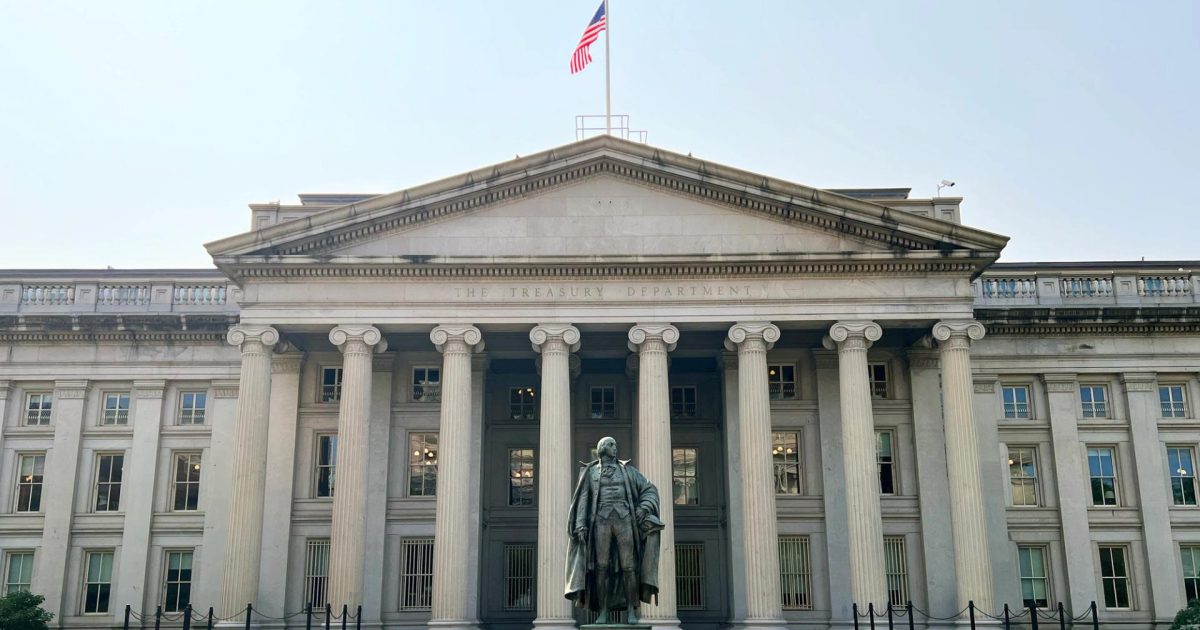
U.S. banking groups are pushing for a more measured approach to the implementation of the GENIUS Act, which addresses oversight of stablecoins. These groups recently voiced concerns about the rapid pace at which federal agencies are moving to regulate the stablecoin market. With the growing influence of stablecoins in the financial system, many banking institutions worry that hasty regulations may create confusion regarding their application.
The urgency in regulatory actions raises questions for banks and financial institutions that are trying to navigate these new rules. The banking groups argue that without a comprehensive understanding of how these regulations will operate, they may struggle to comply effectively. The swift implementation could disrupt the financial services sector, making it unclear how stablecoins will be treated compared to traditional cryptocurrencies and other financial instruments.
Market reactions have varied as these discussions gain traction. Some analysts note that uncertainty surrounding stablecoin regulation may lead to increased volatility in the crypto market, affecting trading volumes and investor sentiment. As institutions weigh the implications of the GENIUS Act, the sentiment may influence pricing dynamics in the broader cryptocurrency ecosystem, particularly among stablecoins and their adoption in commercial transactions.
As U.S. banking groups advocate for a more deliberate regulatory process, the timeline for the GENIUS Act remains unclear. Stakeholders are keenly watching for further announcements from federal agencies regarding their strategy. A clear deadline for implementation or a pause in the current pace could provide much-needed clarity to banks and the crypto market at large.