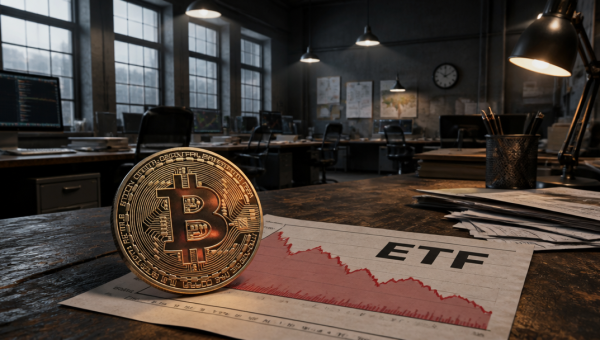
Bitcoin dropped below $77,000 on October 29 as Binance disclosed a $6 billion security incident, complicating efforts to isolate the selloff’s cause from the Federal Reserve’s decision to hold interest rates steady at 3.75%–4%.
The Fed voted 10–2 to maintain its benchmark rate, with dissenters Lisa Cook and Beth Hammack each calling for a quarter-point increase. The decision left December rate expectations unresolved, as the Fed’s own projections shifted from expecting a rate cut to forecasting another increase.
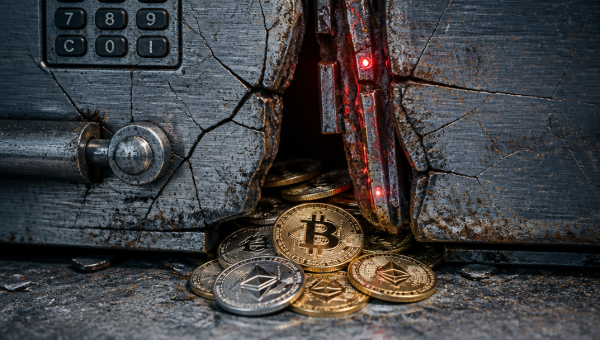
Binance temporarily suspended withdrawals during security checks and pledged to cover losses through its SAFU protection fund and company funds. The exchange said deposits remained unaffected and continued operating normally. Binance issued a clarification on October 30 regarding the incident but did not specify when normal operations would resume.
Bitcoin touched approximately $76,460 before recovering toward $78,500. CoinGlass data showed $1,530 million in rolling 24-hour liquidations, including $1,290 million in bets on rising prices. The timing of the Binance disclosure and the liquidation surge made it difficult to determine whether the price decline stemmed primarily from the Fed’s policy hold or the exchange’s security breach.
Economic backdrop
Q3 GDP expanded at a 3.4% annualized rate, exceeding Reuters survey expectations of 3.2%. Consumer spending rose 0.5% in dollar terms but less than 0.1% after inflation. Disposable income fell 0.3% after taxes and inflation adjustment.
September PCE inflation matched expectations at 3.6% year-over-year, with core PCE at 3.1%. Q3 annualized PCE inflation slowed to 2.1%, with core at 2.5%. The quarterly slowdown suggested progress on price pressures, while year-over-year readings showed persistence, leaving policymakers to weigh whether further tightening would secure disinflation or burden households already facing eroded purchasing power.
Global policy shifts
Japan’s central bank held rates at 1.25%, raised its next fiscal year inflation forecast, and reiterated readiness to tighten further. The move signaled continued divergence in monetary policy across major economies as the Fed paused and Japan prepared to move in the opposite direction.