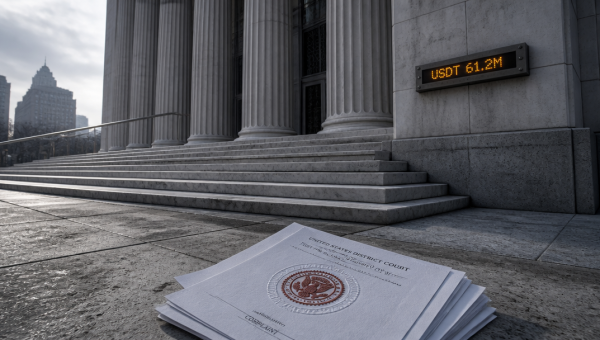
HM Treasury has laid draft regulations that would exempt UK qualifying stablecoin transfers and exchanges from dealer permission requirements, narrowing the scope of the country’s incoming crypto regulatory perimeter for payments.
The draft Financial Services and Markets Act 2000 (Cryptoassets) (Miscellaneous Amendments) Regulations 2026 was laid before Parliament on September 15. The regulations carve out transfers of UK qualifying stablecoins between individuals and exchanges of such stablecoins for money or other UK qualifying stablecoins from the definition of dealing activity.
A UK qualifying stablecoin must be issued through regulated article 9M activity by a firm holding relevant permission. Overseas-issued tokens that merely track sterling do not qualify. The Bank of England has set a ceiling of $53 billion for British pound stablecoins.
Lending and Swaps Remain Restricted
The exemption does not apply to all stablecoin transfers. If the recipient has a right or obligation to return the stablecoin, the transfer falls outside the basic exclusion, leaving such lending potentially subject to regulatory oversight. Swapping a stablecoin for another cryptoasset such as Bitcoin remains outside the payment carve-out and continues to require dealer permission.
Custody treatment differs based on duration and purpose. Temporary holding of a UK qualifying stablecoin connected with executing a payment receives custody relief. Longer-term custody arrangements, such as maintaining a customer wallet, do not qualify for the exemption and remain subject to safeguarding rules.
Shift From April Proposal
The final draft differs from HM Treasury’s April 2024 proposal, which suggested payment firms would still need safeguarding permission. The new regime distinguishes brief payment execution from continuing custody obligations, expanding the relief available for transaction settlement.
The Financial Conduct Authority has confirmed that the new regime for crypto firms begins October 25, 2027. This date marks the start of amendments to dealing, arranging, and financial-promotion rules under the incoming regulatory framework.
The regulations target UK stablecoin payments specifically, leaving broader crypto asset regulation and longer-term stablecoin rules to be determined separately.