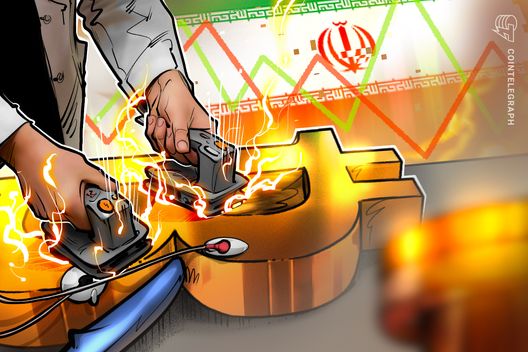
Analysts anticipate significant market repercussions stemming from the ongoing conflict in Iran, with expectations that these effects will persist throughout 2026. Nic Puckrin from Coin Bureau emphasizes that this turmoil could delay any potential rate cuts until at least the third quarter of that year.
The Iran war poses potential risks not just on a geopolitical level but also in economic terms. Markets often react to instability, and the uncertainty surrounding this conflict may dampen investor sentiment. As central banks evaluate their policies, the anticipated economic fallout could hinder necessary adjustments in interest rates, prolonging a period of tight monetary conditions.
Market observers are closely watching the implications of this conflict, with some noting that volatility could escalate as 2026 approaches. If the fallout becomes more pronounced, it could affect everything from inflation rates to commodity prices, further complicating the central banks’ decision-making process. Analysts predict that without a resolution, many sectors could face headwinds due to investor wariness.
Investors should monitor the situation closely, particularly as Q3 2026 approaches, marking the earliest time for potential rate cuts. The timing of these monetary policy adjustments will likely hinge on the progression of the Iran war and its economic aftermath. As tensions unfold, traders and financial institutions will be looking for clues on how to navigate the uncertain landscape ahead.